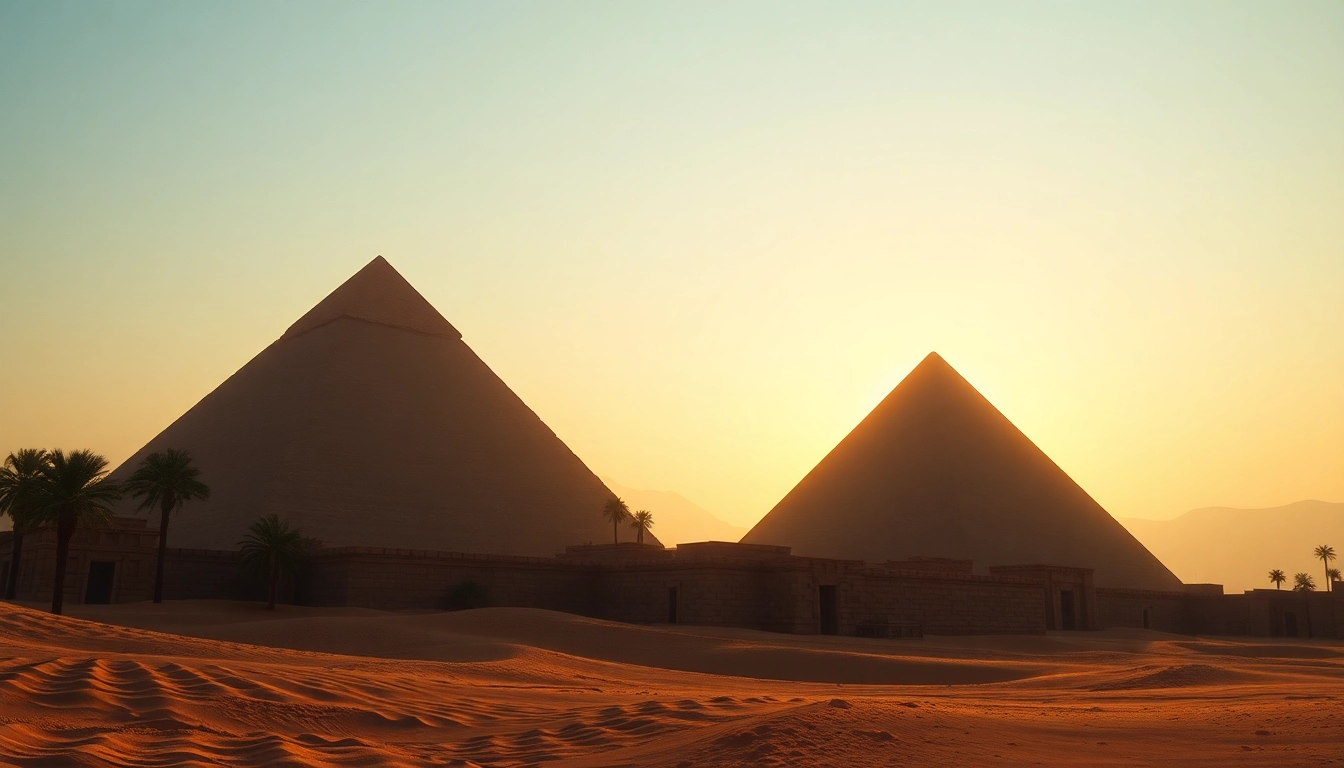
Understanding the Origin of Egyptian Piraminds
Historical Context of Piraminds
The piraminds of ancient Egypt, standing as a testament to human ingenuity, are grand monuments that narrate the civilization's history. Built primarily during the reign of the pharaohs of the Old and Middle Kingdom, these monumental structures served predominantly as grand tombs for the most revered leaders of the time. The trend of constructing pyramids initiated around 2630 BCE with the Stepped Pyramid of Djoser. This architectural leap from mastabas (flat-roofed tombs) to pyramids illustrates an evolution in burial practices and religious beliefs linked to the afterlife, which played a critical role in ancient Egyptian culture.
The Construction Techniques Used
Construction of the pyramids required immense resources and sophisticated techniques. Initially, the exact methodology was ambiguous, but research now indicates that these monumental edifices were not merely built by slaves but involved skilled laborers who participated in a communal effort, potentially via rotating work schedules. Blocks of limestone and granite, quarried nearby, were transported using wooden sledges lubricated with water to reduce friction. Detailed studies hint at the use of ramps, either straight or circular, allowing workers to hoist the massive stones to higher levels, although the precise ramp design remains debated among scholars.
Significant Cultural Symbolism
Piraminds were not just architectural feats but profound symbols of ancient Egyptian beliefs and royal power. They epitomized the pharaoh’s divine status, serving as a means to help their souls ascend to the heavens in their quest for immortality. Each pyramid complex often included temples, access roads, and other structures promoting rituals that honored the deceased. The alignment of pyramids with celestial bodies and cardinal points also reflects the Egyptians' deep spirituality and their quest to harmonize the earthly realm with the divine.
Architecture of the Piraminds: A Deep Dive
Main Structural Features
The architecture of piraminds is characterized by distinct structural components, including the pyramid itself, mortuary temples, and causeways. The base of a typical pyramid was often square, with each side aligning with a cardinal direction. The smooth, angled sides are an architectural marvel, leading to a pointed apex that symbolically connected the earth with the sun. Inside, chambers were meticulously designed, often incorporating air shafts aimed at the stars, allowing the spirit of the pharaoh to ascend. Notable pyramids, like the Great Pyramid of Giza, reveal complex internal layouts with intricate burial chambers and passageways designed to deter tomb robbers.
Differences Between Various Piraminds
While sharing fundamental aspects, not all piraminds are identical; each demonstrates unique architectural styles and design philosophies. For instance, the Step Pyramid of Djoser signifies an early experimentation with tiered designs, while the Bent Pyramid of Sneferu illustrates a transitional style with its curvature indicating an evolution toward the smooth-sided pyramids exemplified by the Red Pyramid. Distinctions also emerge in their sizes, with the Great Pyramid standing at approximately 481 feet tall, setting standards that subsequent pyramids aimed to achieve.
Material Selection and Its Importance
The choice of materials for pyramid construction was paramount, impacting both the aesthetic and functional characteristics of the structures. Predominantly limestone, granite, and basalt were utilized due to their durability and availability. The outer casing of fine white Tura limestone, polished to a mirror-like finish, reflected sunlight, making the pyramid gleam like a jewel. Advanced quarrying techniques allowed ancient Egyptians to extract these stones with precision, and recent discoveries of tooling techniques shed light on the sophisticated craftsmanship that went into creating these iconic structures.
The Role of Piraminds in Ancient Egyptian Society
Burial Practices and Spiritual Beliefs
Piraminds were intrinsically tied to the funerary practices of ancient Egyptians. The belief in an afterlife led to elaborate burial traditions aimed at ensuring the smooth passage of the deceased into eternity. The pyramids housed not only the remains of the pharaoh but also grave goods, including treasures, food, and even servants, to accompany and support them in the afterlife. These rituals underscored the societal norms of honoring the dead, reflecting a culture deeply rooted in spiritual beliefs endorsing life after death.
Impact on Ancient Egyptian Economy
The construction of piraminds had significant economic implications for ancient Egyptian society. The labor required for their construction not only mobilized a vast workforce but also necessitated the involvement of various sectors, including agriculture, logistics, and trade. The influx of workers led to the establishment of nearby settlements, fueling the local economy. Additionally, the pyramids attracted artisans, merchants, and laborers, thus creating a sustained economic ecosystem that contributed to the grandeur of ancient Egypt.
Pyramids as Centers of Worship
Beyond their function as tombs, piraminds also served as vital centers of worship and pilgrimage. The temples situated adjacent to pyramids were sites for extensive rituals dedicated to the deities associated with the afterlife. Festivals and offerings often occurred, promoting a cult-like reverence for pharaohs, reinforcing their divine status. These religious practices transformed the pyramids into enduring symbols of cultural identity and spiritual significance, fostering unity among the populace in their shared beliefs.
Modern Exploration and Research on Piraminds
Recent Discoveries and Their Implications
Modern excavation and research methodologies have led to groundbreaking discoveries regarding piraminds. The use of non-invasive techniques such as ground-penetrating radar and 3D scanning has unveiled hidden chambers and structural features previously unrecognized. For example, the recent identification of voids within the Great Pyramid indicates deeper complexities in its architectural layout, prompting reevaluations of ancient Egyptian construction practices and illuminating aspects of their capabilities that were once deemed impossible.
Technological Innovations in Pyramid Study
Technological advancements have revolutionized the way archaeologists and researchers study piraminds. Innovations such as drone photography have facilitated aerial assessments and mapping of pyramid sites, enhancing the understanding of their geographical context and structural alignments. Additionally, isotope analysis of construction materials sheds light on trade routes and resource management, offering a clearer picture of the logistical challenges faced during pyramid construction.
Archaeological Efforts and Future Research
The ongoing archaeological efforts around piraminds continue to yield invaluable insights into ancient Egyptian civilization. Collaborative projects involving international teams bolster the exchange of knowledge and resources, leading to comprehensive studies of pyramid complexes. As expectations for further technological integration in archaeological methods rise, future research holds promise for unlocking the mysteries surrounding ancient engineering techniques and cultural practices, further enriching the narrative of these magnificent structures.
Visiting the Piraminds: A Tourist's Guide
Best Times to Visit and What to Expect
Planning a visit to the piraminds is best during the cooler months, from October to April, when temperatures are mild. Tourists can expect a mesmerizing experience with guided tours that unravel the historical significance and architectural feats of these structures. A visit typically begins at the Pyramids of Giza, where one can explore the imposing appearances of the Great Pyramid and the Sphinx, along with local visitor centers featuring artifacts and interactive displays.
Nearby Attractions and Cultural Experiences
Adjacent to the pyramids, visitors will find a wealth of cultural experiences to enhance their understanding of ancient Egypt. The Egyptian Museum in Cairo showcases a vast collection of antiquities, including treasures from the tomb of Tutankhamun. Additionally, local bazaars offer authentic Egyptian crafts and cuisine, creating an immersive experience that extends beyond the archaeological sites and into the heart of Egyptian culture.
Utilizing Sustainable Tourism Practices
As the popularity of pyramid tourism grows, so does the necessity for sustainable practices. Tourists are encouraged to respect the historical integrity of the sites by adhering to designated pathways and guidelines. Engaging with local communities and supporting eco-friendly initiatives foster a healthier relationship between visitors and the cultural heritage of Egypt, ensuring the preservation of these wonders for generations to come.
Frequently Asked Questions
What are piraminds made of?
Piraminds primarily consist of limestone and granite, with the outer casing often made of fine Tura limestone, providing a reflective surface that shone brightly.
How were piraminds constructed?
Piraminds were built using advanced techniques, including the use of ramps, sledges for transporting stones, and skilled labor from various societal sectors, not just slaves.
What is the significance of piraminds in ancient Egypt?
Piraminds symbolized the pharaoh's divine status, served as tombs for the elite, and were centers for significant religious activities related to the afterlife.
When was the first pyramid built?
The first pyramid, known as the Step Pyramid of Djoser, was constructed around 2630 BCE, marking a significant advancement in funerary architecture.
Who were the laborers that built the piraminds?
Laborers who constructed the piraminds were typically skilled workers from various backgrounds, organized into teams, often engaging in rotating labor schedules.