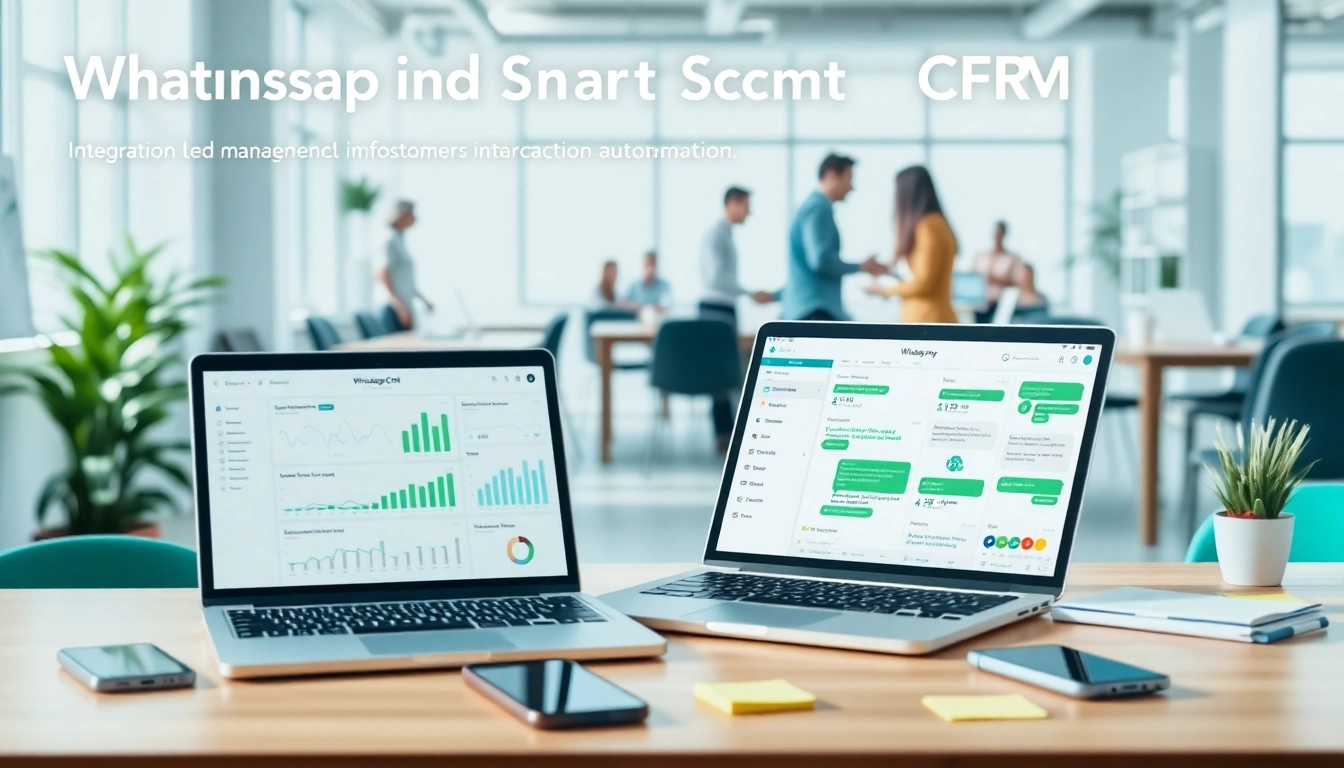
Introduction to WhatsApp Smart CRM
In today’s fast-paced digital landscape, businesses are continually seeking ways to enhance their customer relationships and streamline communication. One innovative solution gaining traction is the WhatsApp Smart CRM. This tool combines the messaging capabilities of WhatsApp with the functionalities of customer relationship management, fostering better engagement and facilitating seamless interactions. As more consumers gravitate towards instant messaging for communication, understanding the potential of WhatsApp integrated with CRM can significantly empower your business strategy.
Defining WhatsApp Smart CRM
WhatsApp Smart CRM refers to a robust system that integrates the popular messaging platform WhatsApp with CRM functionalities, allowing businesses to manage customer interactions efficiently. This integration enables organizations to communicate with customers in real-time, track conversations, and leverage data analytics for improved customer service. By utilizing WhatsApp as a primary communication channel, businesses can enhance engagement and streamline their customer management processes effectively.
The Importance of CRM in Modern Business
In the current business environment, effective customer relationship management is crucial. A well-implemented CRM system provides companies with insights into customer behavior, preferences, and engagement patterns. Furthermore, it allows for the automation of marketing campaigns, lead management, and customer support functions. By leveraging these capabilities, businesses can foster long-lasting relationships with customers, leading to increased loyalty and satisfaction. Integrating WhatsApp with CRM takes this a step further by offering instant communication, which is critical in fostering responsiveness and rapport with customers.
Overview of Features and Benefits
WhatsApp Smart CRM offers a plethora of features designed to improve operational efficiency and customer engagement. Key benefits include:
- Real-time Communication: Communicate with customers instantly through WhatsApp, ensuring queries are addressed promptly.
- Automation: Automate responses to common inquiries, freeing up valuable time for your team.
- Data Management: Track customer interactions, preferences, and history to deliver personalized experiences.
- Analytics: Analyze data from conversations to gain insights into customer behavior and improve sales strategies.
- Integration: Seamlessly integrate with existing systems to unify customer management processes.
Key Features of WhatsApp Smart CRM
Lead Management Tools
Lead management is essential for converting prospects into loyal customers. The WhatsApp Smart CRM provides tools for capturing leads directly from chats. Conversations can be tagged and categorized based on different criteria, allowing sales teams to prioritize follow-ups efficiently. Additionally, leads can be scored based on engagement, making it easier to identify potential high-value customers.
Customer Interaction Automation
In an era where speed matters, automating customer interactions can lead to higher satisfaction rates. WhatsApp Smart CRM empowers teams to set up automated workflows for common inquiries, such as order confirmations, FAQs, and appointment reminders. This ensures that customers receive timely responses and enhances their overall experience, as they do not have to wait long for assistance.
Data Analytics Capabilities
Data-driven decision-making is key in today’s business climate. The WhatsApp Smart CRM offers robust analytics tools that help businesses track interaction metrics, such as response time, query resolution rate, and customer engagement levels. By diving into this data, businesses can refine their marketing strategies, improve service quality, and ultimately drive sales growth.
Implementing WhatsApp Smart CRM in Your Business
Assessing Your Business Needs
Before diving into the implementation of WhatsApp Smart CRM, take the time to assess your business needs. Identify the specific areas where customer communication can be enhanced and establish goals for what you wish to achieve with the integration. Consider factors such as customer volume, types of interactions, and your team's capacity to manage these changes effectively.
Choosing the Right CRM Structure
The next step is to choose the appropriate CRM structure that aligns with your business model. Consider whether an all-in-one system or a more flexible modular approach suits your needs better. The objective is to integrate WhatsApp seamlessly while ensuring that other essential functions, such as sales and marketing tools, can work together harmoniously.
Setting Up and Customizing Your System
Once you have selected the right CRM structure, it is time to set up and customize your WhatsApp Smart CRM. This involves configuring channels, setting automated responses, and creating customer profiles. Customization ensures that the system meets your specific needs and that it aligns with your brand voice and customer engagement strategy.
Best Practices for Utilizing WhatsApp Smart CRM
Maintaining Customer Engagement
Regular engagement is crucial for maintaining customer relationships. Use the WhatsApp Smart CRM to send personalized messages, updates, and promotions based on customer behavior and preferences. This proactive communication strategy keeps your business top-of-mind for customers and encourages repeat interactions.
Leveraging Data for Marketing Insights
Data analytics is one of the most powerful features of WhatsApp Smart CRM. Utilize the insights gained from customer interactions to refine marketing strategies. Explore patterns in customer behavior, engagement rates, and conversion metrics. By continuously assessing this data, you can optimize campaigns and target your audience more effectively.
Continuous Improvement and Updates
Like any system, the WhatsApp Smart CRM requires regular updates and improvements. Regularly review your processes and adapt to new trends in customer communication. Solicit feedback from your team and customers to identify areas for improvement. This commitment to continuous enhancement ensures that your CRM remains effective and relevant.
Measuring Success with WhatsApp Smart CRM
Key Performance Indicators (KPIs) to Track
Establishing KPIs is essential for measuring the success of your WhatsApp Smart CRM implementation. Key metrics to track include response times, customer satisfaction scores, conversion rates, and the overall volume of interactions. By revisiting these KPIs regularly, you can gauge the effectiveness of your strategy and make data-driven adjustments as necessary.
Customer Feedback and Satisfaction Metrics
Customer feedback is invaluable for assessing how well your WhatsApp Smart CRM serves your clients. Implement tools for collecting feedback post-interaction and analyze satisfaction metrics to understand customer sentiment. Positive feedback can reinforce your engagement strategies, while constructive criticism presents opportunities for improvement.
Long-term Business Growth and ROI
Ultimately, the goal of incorporating WhatsApp Smart CRM is to foster long-term business growth. Measure the return on investment (ROI) by correlating the CRM’s influence on sales, customer retention, and overall business performance. By tracking these metrics over time, you can demonstrate the value of the CRM investment to stakeholders and guide future business decisions.