
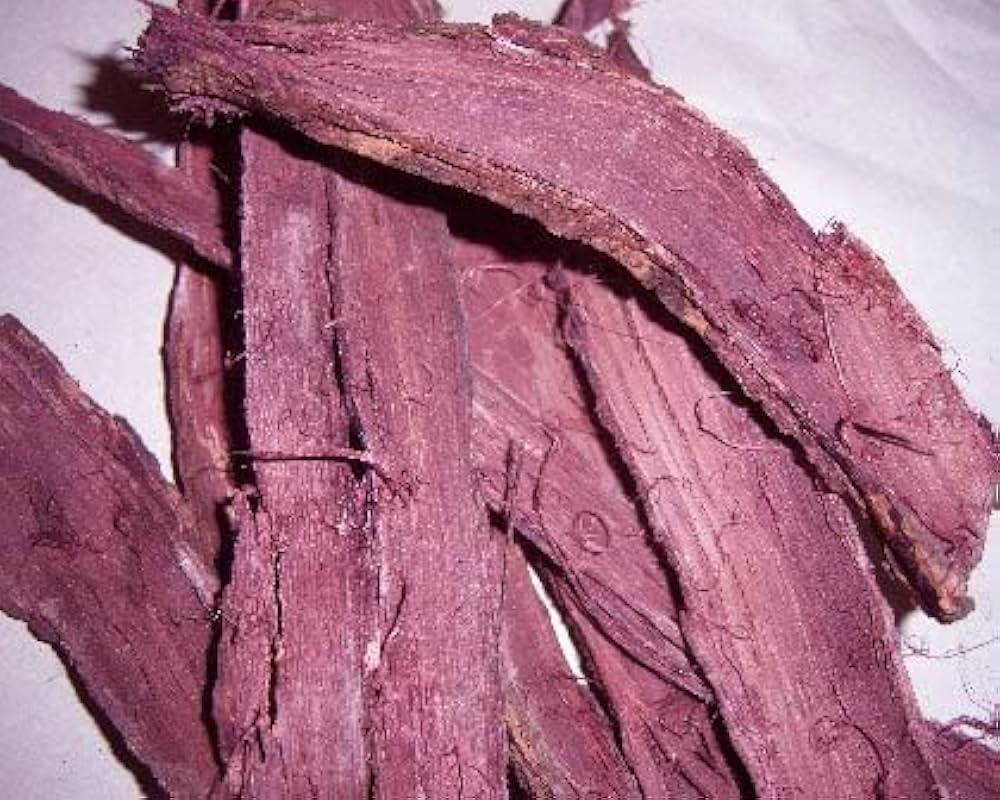
Myrobalan dye has long been treasured in traditional textile arts, valued for its rich tannin content and warm golden hues. As interest in botanical coloration grows, this versatile natural resource is once again in the spotlight. At Natural Dye, artisans and eco-conscious creators turn to Myrobalan dye for its reliability, sustainability, and remarkable ability to transform plant-based fibers. Whether you're a beginner in natural dyeing or an experienced fiber artist, understanding the benefits and uses of Myrobalan dye can elevate your craft to a whole new level.
What Makes Myrobalan Dye Unique?
A Powerful Natural Source of Tannins
One of the most notable characteristics of Myrobalan dye is its exceptionally high tannin content. These tannins act as a natural mordant, allowing colors to bind more effectively to fibers. When used with cellulose fabrics such as cotton, linen, and hemp, Myrobalan dye enhances color absorption, ensures greater depth of tone, and improves the longevity of natural dyes.
A Versatile Yellow Dye
While many plants offer yellow pigments, the distinctive color from Myrobalan dye stands out for its warm, earthy undertones. Depending on concentration and fiber type, the resulting shades range from pale lemon to deep golden yellow. Its versatility makes Myrobalan dye a cornerstone of natural dye palettes.
Benefits of Using Myrobalan Dye in Textile Work
Enhances Colorfastness
Natural dyers often rely on Myrobalan dye to improve colorfastness when working with other plant-based pigments. Because it creates a strong bond between dye and fiber, it helps colors endure repeated washing and exposure to light. This makes Myrobalan dye an essential preparation step for cellulose fibers.
Provides a Beautiful Base Tone
Myrobalan dye is frequently used as a foundation layer before overdyeing with indigo, madder, or other botanical pigments. The golden base it provides deepens blues into greens and enriches reds into warm browns or russets. Its ability to influence final shades is one reason Myrobalan dye remains a favorite among dye artists.
Eco-Friendly and Sustainable
Derived from the fruit of the Terminalia chebula tree, Myrobalan dye is fully biodegradable and renewable. For artisans committed to reducing environmental impact, it offers a responsible alternative to synthetic mordants or chemical-laden dyes. Sustainable harvesting practices ensure that Myrobalan dye remains a long-term resource for natural dyers.
How to Use Myrobalan Dye Effectively
Preparing the Fiber
Before introducing pigments, fibers must be properly scoured and prepared. Cellulose fibers in particular benefit from a tannin-rich pretreatment. Applying Myrobalan dye at this stage helps the fabric “open up,” making it more receptive to future layers of color. This preparation is key for achieving even, long-lasting results.
Creating the Dye Bath
Myrobalan dye dissolves easily in warm water, producing a gentle golden liquor. Adjusting dye concentration allows artisans to control the intensity of the final color. For pale shades, a lighter solution is sufficient; for stronger hues, a more concentrated bath is recommended. Because Myrobalan dye is so generous with its tannins, a little often goes a long way.
Achieving Different Shades
Natural dyers appreciate the subtle variations Myrobalan dye can produce. Longer soak times deepen the color, while combining the dye with iron shifts the tone toward olive greens or antique golds. Layering Myrobalan dye with other natural colors opens the door to an endless palette of earthy, botanical tones.
Applications for Fiber Artists
Traditional and Contemporary Dyeing
From historical textile production to modern eco-fashion, Myrobalan dye has played an important role for centuries. Artists use it not only for its beautiful yellow pigment but also for its dependable function as a mordant. Whether working on yarn, fabric yardage, or finished garments, Myrobalan dye offers consistent, beautiful results.
Ideal for Plant-Based Fibers
While animal fibers like wool and silk respond well to many dyes, plant-based fibers often require additional preparation to accept color evenly. That’s where Myrobalan dye truly shines. Cotton, bamboo, ramie, and hemp all benefit from its tannins, making it a must-have for artists who favor vegan or cellulose-based materials.
Perfect for Botanical Printmaking
In natural printing and eco-printing methods, Myrobalan dye helps bind leaf and flower pigments to fabric, improving clarity and definition. Its warm yellow tone also enhances the natural beauty of botanical impressions, giving prints a rich, earthy background.
Why Choose High-Quality Myrobalan Dye?
With growing demand for plant-based pigments, selecting a reputable source matters. High-quality Myrobalan dye ensures consistency, purity, and superior colorfastness. Whether you purchase it for its golden hues or its mordant properties, choosing a premium product supports better dye results and a more fulfilling creative experience. For artisans who value reliability, Myrobalan dye stands as one of the most indispensable tools in natural coloration.
Conclusion
Myrobalan dye continues to be a foundational ingredient for anyone passionate about natural dyeing. Its unmatched tannin content, warm yellow pigment, and ability to enhance colorfastness make it a powerful ally for plant-based fibers. Whether you’re preparing cloth, building layered colors, or exploring eco-friendly dyeing techniques, Myrobalan dye offers beauty, depth, and sustainability in every application. Embracing Myrobalan dye in your creative practice is an investment in both your craft and the natural world that inspires it.