Understanding Structural Steel Fabrication
What is Structural Steel Fabrication?
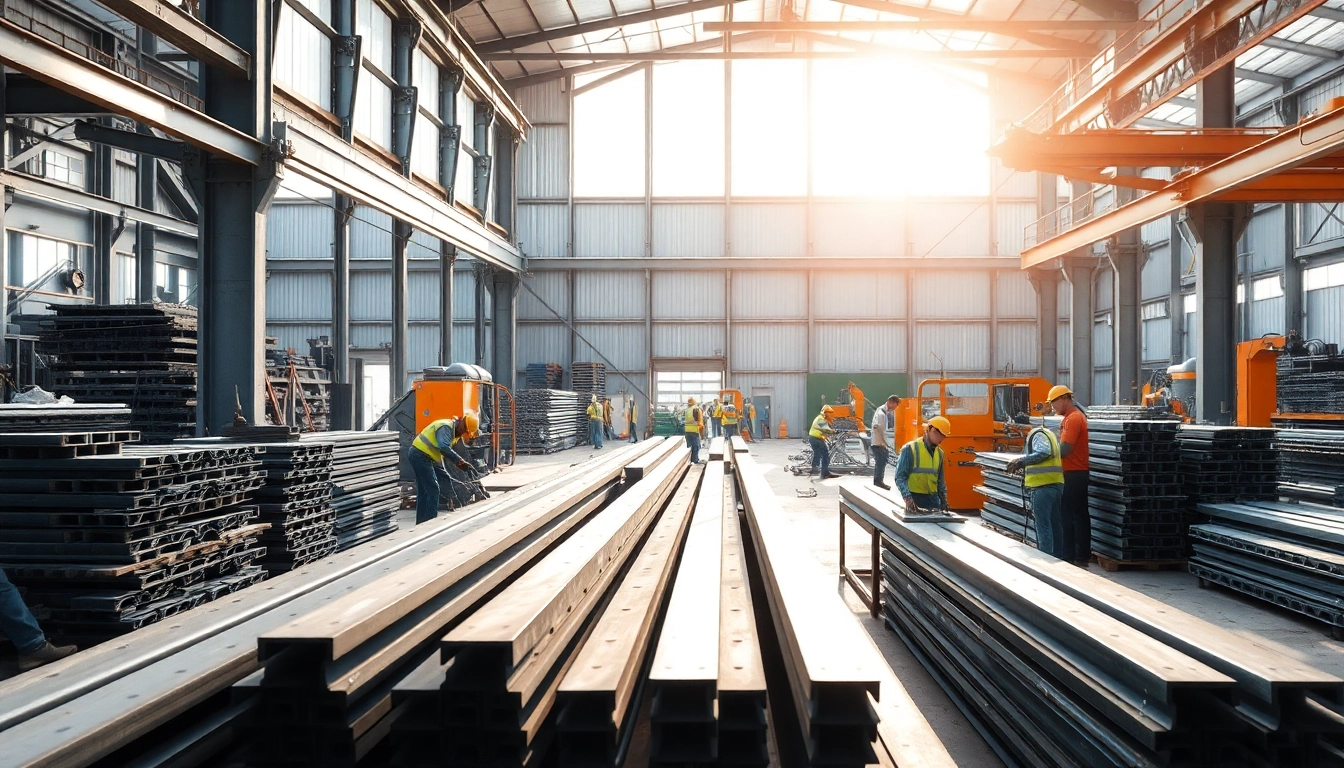
Structural steel fabrication is a systematic process that transforms raw steel into structural components that can be used in buildings, bridges, and other infrastructures. This process typically includes cutting, shaping, and assembling steel elements to ensure they meet specific engineering standards. The design and execution of these fabricated structures require precision and adherence to engineering principles, making structural steel fabrication vital in the construction industry.
Historical Evolution of Structural Steel Fabrication
Structural steel fabrication has evolved dramatically since the inception of iron and steel construction in the 19th century. Initially, designs were rudimentary, limited by the available technology and material properties. The introduction of the Bessemer process improved the quality of steel, leading to stronger and more adaptable structures. Landmark projects, such as the Eiffel Tower, showcased the potential of fabricated structural steel. As engineering techniques advanced, the integration of computer-aided design (CAD) and other technologies revolutionized the precision and efficiency of steel fabrication, enabling more complex and large-scale applications.
Types of Structural Steel Used
Structural steel comes in various forms, each serving distinct purposes in construction. Common types include:
- Carbon Steel: Known for its strength and versatility, carbon steel is you commonly used in load-bearing applications.
- Stainless Steel: Resistant to corrosion, stainless steel is ideal for structures exposed to harsh environments.
- Alloy Steel: Enhanced with other elements, alloy steels offer improved mechanical properties, making them suitable for specialized applications.
- High-Strength Low-Alloy Steel (HSLA): This type combines strength and ductility, making it useful in heavy construction.
The Importance of Quality in Structural Steel Fabrication
Standards and Regulations in Structural Steel Fabrication
Quality assurance in structural steel fabrication is governed by national and international standards. Organizations such as the American Institute of Steel Construction (AISC) and the International Organization for Standardization (ISO) set guidelines for the fabrication processes that ensure safety and performance. Compliance with these standards is critical for project acceptance and helps reduce liability issues.
Quality Control Processes
Quality control in steel fabrication involves rigorous testing and inspection at various stages of production. This can include material verification, dimensional accuracy checks, and assessing weld integrity. Advanced non-destructive testing methods, such as ultrasonic and radiographic techniques, are employed to detect internal flaws. Adopting a robust quality control system helps maintain high standards and avoids costly errors in the final structure.
Benefits of High-Quality Structural Steel Fabrication
Investing in high-quality structural steel fabrication leads to numerous benefits, including:
- Enhanced Safety: Ensures that structures meet safety requirements, reducing the risk of failures.
- Improved Durability: High-quality materials and processes extend the lifespan of structures.
- Cost Efficiency: Quality fabrication reduces maintenance needs and project reworks.
- Increased Productivity: Well-fabricated components facilitate easier assembly on-site.
Advanced Techniques in Structural Steel Fabrication
Modern Fabrication Methods
Modern fabrication techniques leverage advanced technologies that streamline the construction process. Methods such as laser cutting, robotic welding, and CNC machining enhance precision and reduce manual labor. The use of 3D modeling allows fabricators to visualize and optimize designs before initiating production, leading to fewer errors and quicker turnaround times.
Technology Integration in Steel Fabrication
The integration of technology in structural steel fabrication has transformed the industry. Building Information Modeling (BIM) enables seamless collaboration among stakeholders, improving project outcome prediction. Additionally, innovative software tools assist in material calculations and project management, ensuring efficient resource allocation and timely project completion.
Case Studies of Successful Projects
Several landmark projects have exemplified the benefits of cutting-edge structural steel fabrication. For instance, the construction of the Burj Khalifa in Dubai utilized advanced steel techniques to support its unprecedented height. The project employed high-strength steel to withstand extreme loads and wind pressures, ensuring safety and stability. Such successful implementations demonstrate the significance of innovative fabrication techniques in overcoming engineering challenges and achieving architectural marvels.
Challenges in Structural Steel Fabrication
Common Industry Challenges
Despite its advancements, the structural steel fabrication industry faces several challenges, including:
- Material Costs: Fluctuating raw material prices can significantly impact project budgeting.
- Skilled Labor Shortages: A lack of skilled workers leads to project delays and compromises in quality.
- Quality Assurance: Inconsistent quality control processes can lead to structural failures.
- Regulatory Compliance: Navigating complex regulations often complicates project timelines.
Solutions to Overcome These Challenges
Addressing these challenges requires strategic planning and innovation. Collaborating with suppliers can help stabilize material costs, while investing in training programs can mitigate labor shortages. Implementing technology-driven quality assurance methods ensures consistency, while engaging regulatory consultants can streamline compliance processes, facilitating smoother project execution.
Emerging Trends in Steel Fabrication Challenges
Emerging trends, such as sustainability and green building practices, are transforming challenges into opportunities. By adopting eco-friendly materials and processes, fabricators can enhance their market appeal. Additionally, the advent of digital twins and smart manufacturing presents new avenues for improving efficiency and resource management, addressing many traditional fabrication challenges effectively.
FAQs About Structural Steel Fabrication
What are the main applications of structural steel fabrication?
Structural steel fabrication is primarily used in constructing buildings, bridges, towers, and industrial facilities. It supports infrastructure projects worldwide due to its strength and durability.
How does the fabrication process improve structural integrity?
The fabrication process involves precise cutting, shaping, and assembling of steel components to meet engineering specifications, thus enhancing the overall structural integrity of the final built environment.
What technologies are shaping the future of steel fabrication?
Technologies such as Building Information Modeling (BIM), robotics, automation, and innovative material solutions are shaping the future by improving efficiency, accuracy, and project management in steel fabrication.
What safety protocols are essential in steel fabrication?
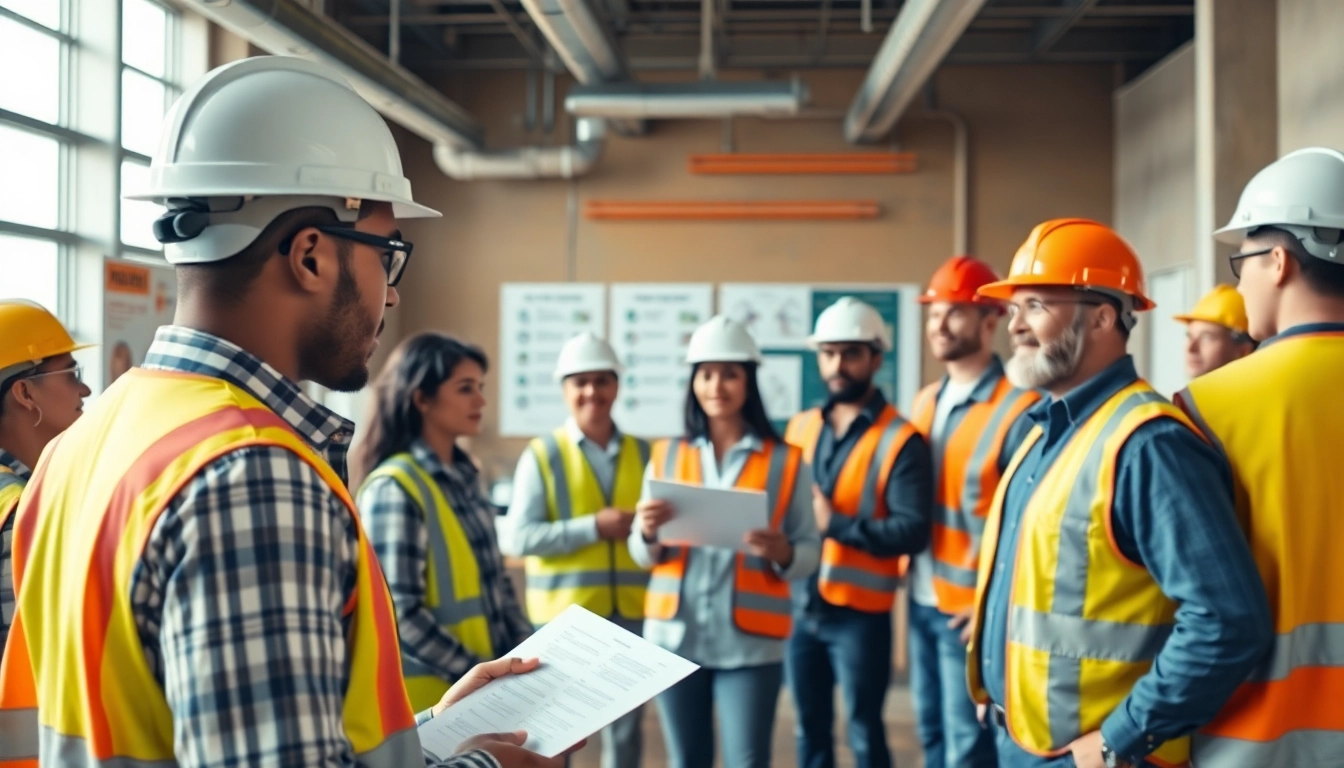
Key safety protocols in steel fabrication include personal protective equipment (PPE) requirements, equipment safety checks, training for workers, and adherence to health and safety regulations to minimize workplace hazards.
How can I find a qualified structural steel fabricator?
To find a qualified structural steel fabricator, consider checking industry certifications, reviewing past project portfolios, and reading client reviews to gauge expertise and reliability in delivering quality work.