Introduction to Postural Massage Courses in Chiang Mai
In the realm of wellness and physical therapy, postural massage has emerged as a significant modality for addressing chronic pain and posture issues. The Chiang Mai Massage School offers specialized courses designed to equip practitioners with the skills necessary for effective pain relief and postural correction. With a curriculum deeply rooted in sports medicine, these courses not only enhance practical massage techniques but also emphasize theoretical knowledge that therapists can apply in real-world scenarios.
As the demand for qualified massage therapists continues to grow, understanding the nuances of postural massage can provide a competitive edge in the field. This article delves into what postural massage entails, the extensive benefits of attending a massage school in Chiang Mai, and an overview of the courses offered at the renowned RSM International Academy.
What is Postural Massage?
Postural massage is a therapeutic approach that focuses on identifying and alleviating musculoskeletal imbalances, which often contribute to chronic pain and poor posture. This type of massage targets specific areas of tension and incorporates techniques such as deep tissue manipulation, trigger point therapy, and myofascial release.
Employing sports medicine principles, postural massage addresses the root causes of pain rather than merely treating the symptoms. By doing so, it helps in restoring functional movement patterns and improving overall posture. As a result, clients experience enhanced mobility, reduced discomfort, and improved quality of life.
Benefits of Attending Chiang Mai Massage School
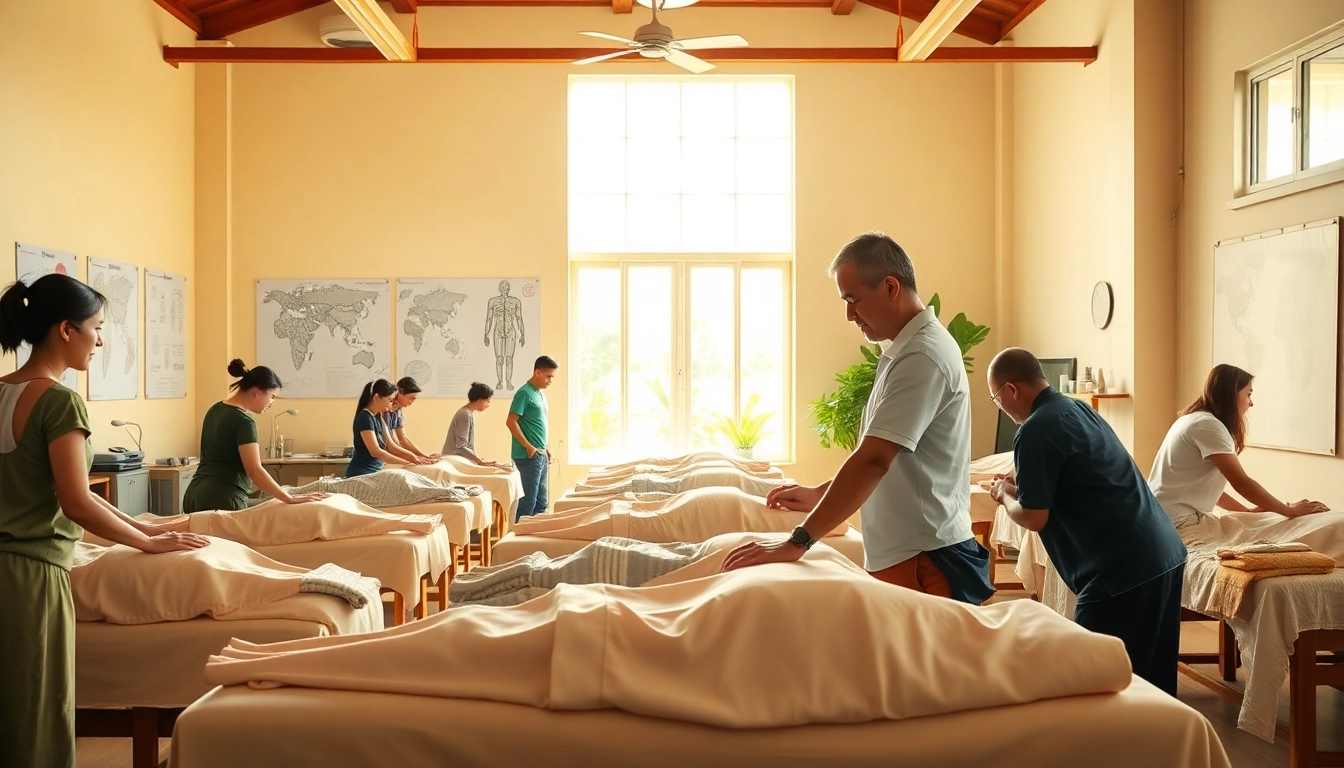
Choosing to attend a massage school in Chiang Mai offers numerous advantages, especially for those looking to specialize in postural massage techniques. The immersive training environment fosters a hands-on learning experience, allowing students to practice in real-time under the supervision of experienced instructors.
- Expert Instruction: Learn from industry-leading professionals with extensive backgrounds in sports medicine and massage therapy.
- Focused Curriculum: Courses are tailored to address current industry needs, emphasizing pain management and posture correction.
- Networking Opportunities: Connect with peers and professionals in the field, paving the way for future collaborations and career prospects.
- Cultural Immersion: Experience the vibrant culture of Chiang Mai while advancing your professional skills.
Overview of RSM International Academy
RSM International Academy is recognized for its commitment to excellence in massage education. With a diverse range of courses, including Trigger Point Therapy, Deep Tissue Massage, and Dynamic Myofascial Release, students gain a comprehensive understanding of various massage techniques.
The Academy is distinguished not only by its integrative approach but also by its small class sizes, which ensure personalized attention and support. Each course is structured to blend theoretical knowledge with practical application, encouraging students to develop their skills in a supportive environment.
Core Massage Techniques Offered
Trigger Point Therapy for Pain Relief
One of the standout offerings at RSM is the Trigger Point Therapy course, which specializes in addressing muscle knots—common culprits in chronic pain. This technique involves applying pressure to specific points within the muscles to relieve tension and promote relaxation.
Students learn to identify both active and latent trigger points through clinical palpation, helping them to effectively target problem areas in their clients. With a focus on functional anatomy and kinetic chain assessment, this course is invaluable for those looking to provide significant pain relief.
Deep Tissue Massage Focused on Posture Correction
The Deep Tissue Massage course is meticulously designed to address postural imbalances, such as anterior pelvic tilt or forward head posture. Students refine their assessment skills to determine specific muscle tensions that disrupt alignment.
By mastering advanced techniques and understanding the underlying mechanics of posture, participants can deliver treatments that not only relieve pain but also facilitate long-term postural corrections. This course empowers practitioners to play a pivotal role in their clients' overall wellness journeys.
Dynamic Myofascial Release & Stretching Techniques
Dive into the Dynamic Myofascial Release & Stretching course, where therapists learn to enhance myofascial glide and joint mobility. This course teaches the importance of integrating stretching techniques with myofascial release, optimizing the kinetic chain function.
Participants will acquire skills that allow them to tackle fascial restrictions and nerve entrapment efficiently. This course is essential for those aiming to improve their clients' dynamic postural stability and enhance their athletic performance.
Advanced Training Opportunities
Sports Massage for Performance Enhancement
The Sports Massage course focuses on improving athletic performance while preventing injuries. Tailored specifically for sports professionals, this course covers various techniques addressing common sports-related issues, such as shin splints and lower back pain.
Students learn to perform sports massage routines that not only alleviate discomfort but also enhance recovery and optimize performance. This skill set is integral for practitioners who work with athletes and active individuals.
Remedial Massage for Long-Term Pain Management
RSM's Remedial Massage course is designed to equip therapists with personalized techniques aimed at addressing chronic pain. By targeting the underlying causes of discomfort—such as nerve entrapments and muscle tension—students learn how to create tailored treatment plans that lead to long-lasting relief.
This course emphasizes the integration of practical skills with theoretical knowledge, ensuring that participants can effectively support their clients' rehabilitation processes.
Weekend Workshops for Skill Mastery
RSM also offers weekend workshops for those looking to refine their skills in a short time frame. These intensive two-day courses allow participants to focus on specific areas of massage therapy, enhancing their expertise on critical techniques and theories.
This format is perfect for busy professionals or those seeking to add new skills to their repertoire without committing to an extensive course schedule.
Expert Instructors and Unique Training Approaches
Meet Hironori Ikeda and Other Leading Practitioners
At RSM, students have the opportunity to learn from Hironori Ikeda, a renowned expert in sports medicine and massage therapy. His extensive experience and innovative teaching methods bring a wealth of knowledge to the classroom.
Under his guidance, students gain not only technical skills but also insights into the holistic aspects of massage therapy, preparing them for diverse professional roles.
Integration of Anatomy and Practical Skills
One of the unique features of the RSM curriculum is its strong emphasis on anatomy. Each course integrates detailed anatomical studies, ensuring that students understand the functional relationships between muscles, joints, and fascia. This depth of knowledge allows practitioners to tailor their techniques to best suit their clients' needs.
Additionally, the practical application of these theories through hands-on experience enables students to build confidence in their skills, ultimately leading to better client outcomes.
The Role of Cadaver Training in Professional Development
RSM International Academy offers a groundbreaking Professional Massage Course that incorporates cadaver training. This immersive experience allows students to gain real-life anatomical insights, enhancing their clinical palpation skills and understanding of human anatomy.
By studying cadavers, participants can accurately assess muscle function and address pain issues more effectively, ultimately elevating their practice to a more professional level.
Future Trends in Massage Therapy Education
Emerging Techniques in Pain Management and Posture Correction
The field of massage therapy is continually evolving, with emerging techniques focusing on pain management and posture correction gaining traction. Techniques such as cupping therapy, instrument-assisted soft tissue mobilization, and neurofunctional therapy are becoming increasingly integrated into traditional practices.
As these innovative approaches gain popularity, RSM intends to update its curriculum to include these methodologies, ensuring students are equipped with the latest skills and techniques in the industry.
The Impact of Technology on Massage Therapy Training
Technology is revolutionizing many aspects of education, and massage therapy is no exception. Virtual reality simulations, online training modules, and digital assessment tools are enhancing learning experiences and providing flexible training options.
These advancements allow educators to create interactive learning environments, making it easier for students to understand complex concepts and perform practical skills accurately.
Predictions for 2026 and Beyond in the Massage Industry
As we look toward 2026, predictions indicate a growing demand for specialized massage therapy courses focused on holistic health and wellness. The integration of hands-on training with evidence-based practices will remain crucial for preparing future therapists.
Furthermore, as the field continues to recognize the interconnectedness of physical, emotional, and mental health, practitioners will increasingly be called upon to adopt a more comprehensive approach in their techniques, catering to a broader range of client needs.