
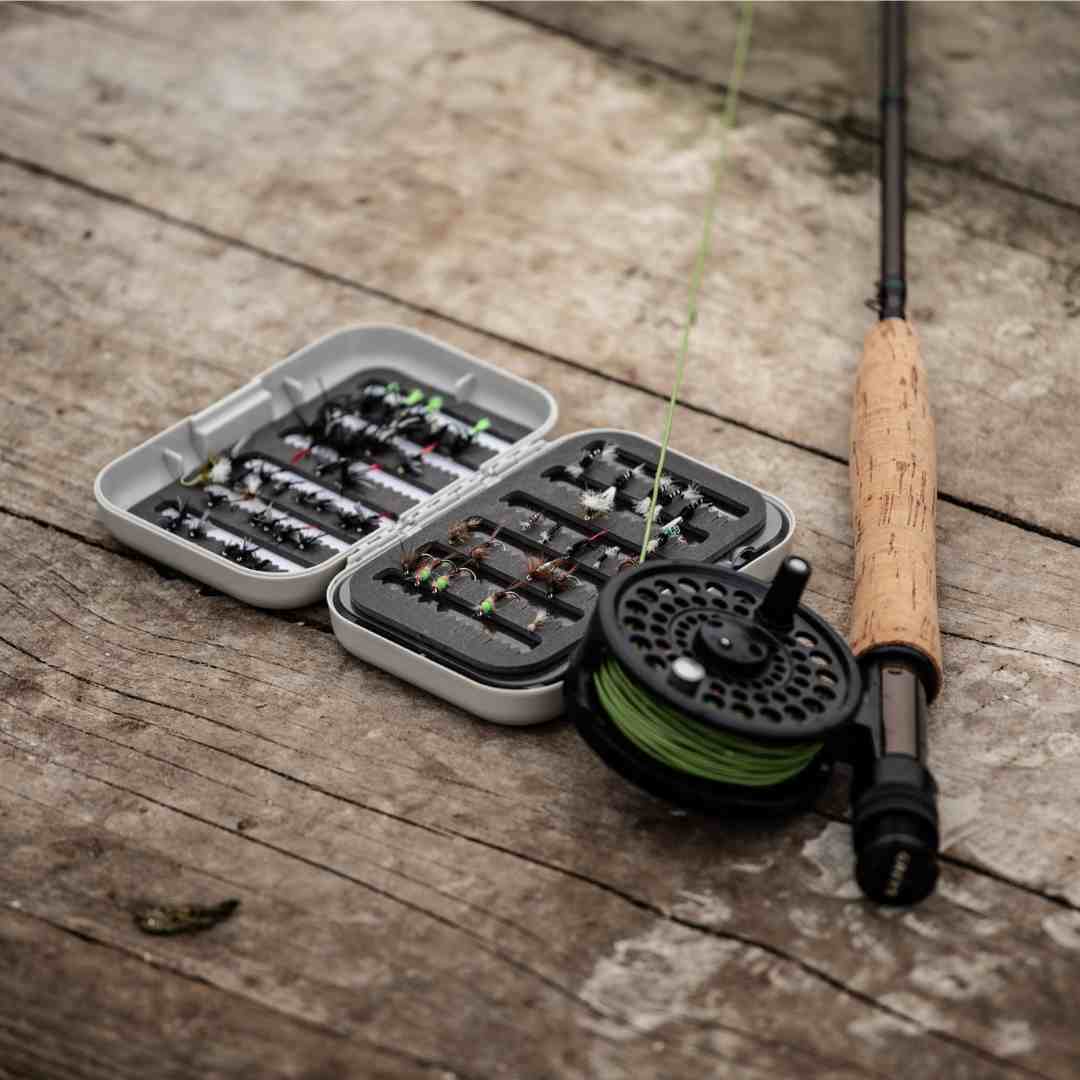
If you’re new to the world of fishing, Fly Tying is one of the most rewarding skills you can learn. Fly Tying allows anglers to create custom flies that mimic insects and other prey fish love, giving you a better chance to catch more fish. Whether you’re tying flies for trout, bass, or panfish, mastering Fly Tying opens up a creative and practical side of fishing that goes beyond simply casting a line. By understanding the basics of Fly Tying, beginners can start with simple patterns and gradually move to more complex designs.
What is Fly Tying?
Fly Tying is the art of creating artificial flies used in fly fishing. These flies are typically made with feathers, fur, thread, and other materials wrapped around a hook to resemble insects, baitfish, or other aquatic creatures. The goal of Fly Tying is to produce a realistic imitation that will attract fish in various fishing conditions. For beginners, starting with simple patterns helps build confidence and understanding of how materials interact, which is essential before moving on to more advanced techniques.
Essential Tools for Fly Tying
Before diving into Fly Tying, you’ll need a few basic tools. A fly tying vise is the centerpiece, holding the hook securely while you work. Scissors, bobbins, hackle pliers, and whip finish tools are also necessary to create clean and effective flies. Beginners should also invest in a variety of threads, feathers, and synthetic materials to experiment with patterns. Having the right tools ensures your Fly Tying experience is enjoyable and productive.
Beginner-Friendly Fly Patterns
Starting with easy patterns is the best way to learn Fly Tying. Here are some beginner-friendly options:
1. Woolly Bugger
The Woolly Bugger is versatile and effective for trout, bass, and panfish. It uses chenille, marabou, and hackle to imitate minnows or leeches. Beginners find it easy to tie, and it’s forgiving when cast, making it perfect for learning Fly Tying techniques.
2. Hare’s Ear Nymph
The Hare’s Ear Nymph imitates aquatic insects in their nymph stage. Using natural hare’s ear fur and copper wire, this pattern is straightforward and teaches beginners important techniques like dubbing and ribbing. Mastering this fly will improve your confidence in Fly Tying.
3. Adams Dry Fly
The Adams Dry Fly is a classic pattern ideal for imitating adult mayflies. It requires hackle and feather wrapping around a hook, teaching beginners how to handle delicate materials. Practicing this fly is a great way to advance your Fly Tying skills.
4. Pheasant Tail Nymph
The Pheasant Tail Nymph is another essential beginner pattern. It uses pheasant tail fibers and thread to imitate small nymphs. This fly is effective in many waters, and beginners can practice precision and proportion, both key in Fly Tying.
Tips for Successful Fly Tying
Start Simple
Begin with easy patterns to avoid frustration. Focus on mastering basic techniques like wrapping, dubbing, and securing materials. Simplicity is key in the early stages of Fly Tying.
Practice Consistency
Consistent thread tension and material placement are crucial. Over time, your Fly Tying skills will improve, resulting in flies that perform better on the water.
Use Quality Materials
Investing in quality materials ensures your flies are durable and realistic. Cheap materials can make Fly Tying frustrating and reduce the effectiveness of your flies.
Learn from Resources
Books, online tutorials, and local fly fishing clubs offer excellent guidance for beginners. Learning from experienced tiers can accelerate your progress in Fly Tying.
Experiment and Innovate
Once you are comfortable with basic patterns, try modifying colors, sizes, or materials. Creativity in Fly Tying can help you discover what works best in your local fishing conditions.
Why Fly Tying Enhances Your Fishing Experience
Learning Fly Tying isn’t just about making flies; it deepens your connection with the sport. Tying your own flies allows you to understand insect behavior, match hatch conditions, and even customize flies for specific fish species. Every successful catch using a fly you tied yourself adds a sense of accomplishment and enjoyment to fishing.
Conclusion
Mastering Fly Tying may seem daunting at first, but starting with beginner-friendly patterns and simple techniques can make the process enjoyable. From the Woolly Bugger to the Adams Dry Fly, each pattern teaches fundamental skills that will improve your overall fly fishing performance. By practicing consistently, experimenting with materials, and learning from experts, you can become proficient in Fly Tying and enjoy more successful fishing trips. Remember, every expert tier started with the basics—your journey in Fly Tying begins one simple fly at a time.