Understanding Paint Protection Film
What is Paint Protection Film?
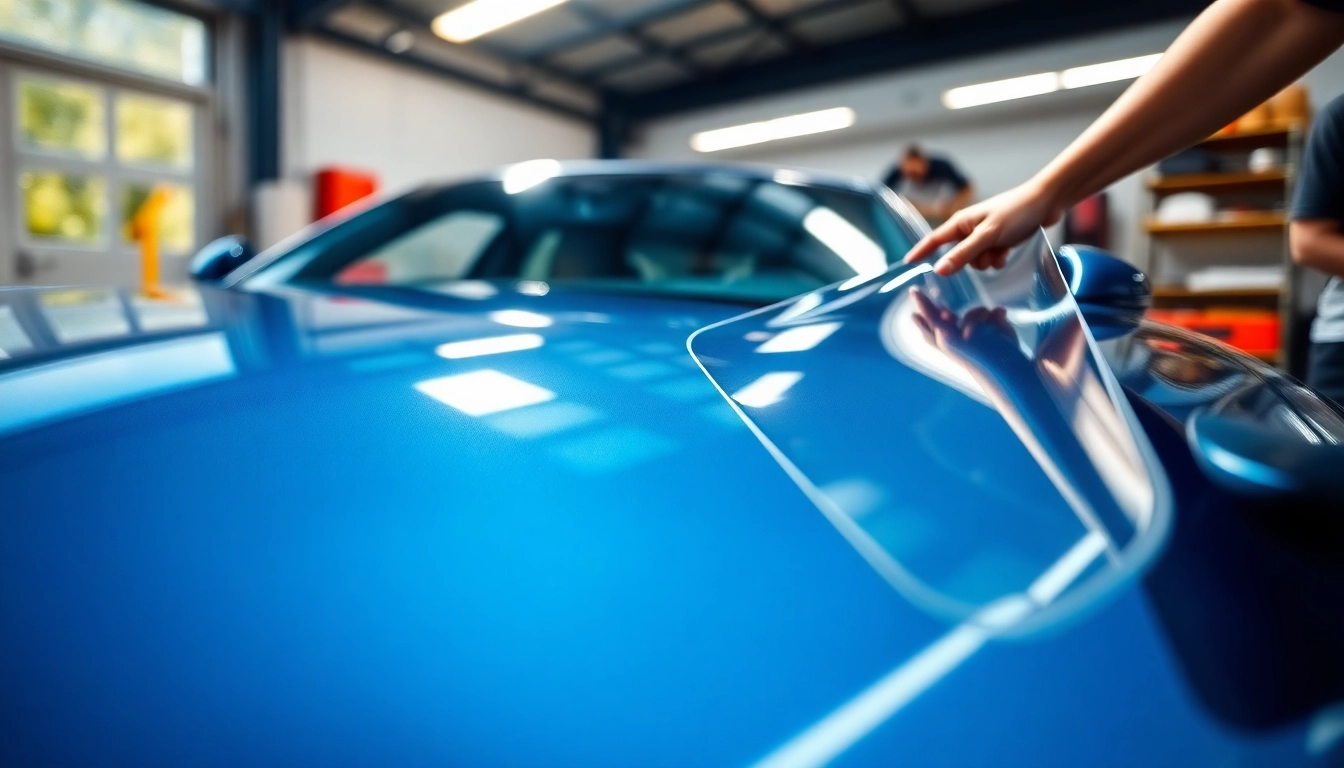
Paint Protection Film, also known as Clear Bra, is a transparent thermoplastic urethane film applied over a vehicle's paint to protect it from scratches, chips, and contaminants. Initially developed for military applications to protect helicopter blades, this technology has evolved and is now widely used in the automotive industry. When you search for paint protection film near me, you are likely looking for a way to enhance the longevity and appearance of your vehicle's exterior.
Benefits of Paint Protection Film
Paint Protection Film offers a myriad of benefits that can significantly influence the maintenance and aesthetic aspect of your vehicle. Here are some of the key advantages:
- Defense Against Environmental Damage: Paint protection film acts as a protective barrier, safeguarding your vehicle's finish against UV rays, acid rain, bird droppings, and tree sap.
- Scratch and Chip Resistance: The film is engineered to absorb impact, which reduces the likelihood of scratches and paint chips caused by road debris and other hazards.
- Self-Healing Properties: Many modern PPFs feature self-healing technology, allowing minor scratches and blemishes to disappear over time when exposed to heat.
- Enhanced Resale Value: Vehicles protected with paint protection film tend to retain their market value better, making them more attractive to potential buyers.
- Ease of Maintenance: The smooth surface of painted vehicles is easier to clean and maintain, often requiring fewer washing products and less time.
Common Myths Debunked
Despite its advantages, several myths and misconceptions surround paint protection film. Here are some common ones addressed:
- Myth 1: It Yellowes Over Time: Quality PPFs are engineered to resist yellowing and discoloration, particularly those made from high-grade materials.
- Myth 2: It's Only for Luxury Cars: While luxury vehicles greatly benefit from PPF, any car owner seeking to protect their investment can use it.
- Myth 3: It's Difficult to Remove: When professionally installed, PPF can be safely removed without damaging the underlying paint.
- Myth 4: PPF Affects Paint Color: Quality films are designed to be almost invisible, maintaining the original color and shine of your vehicle.
Identifying Quality Providers
Researching Local Options
When looking for paint protection film, it is essential to research local providers thoroughly. Start by searching online for reputable businesses that offer PPF services in your area. Factors to consider include experience, certifications, and the specific brands of films they carry. A well-informed choice can save you time and resources in the long run.
Reading Reviews and Testimonials
Customer feedback is invaluable when assessing potential providers. Look for reviews on platforms like Google, Yelp, or specialized automotive forums. Pay attention to comments regarding customer service, the application process, and the film's performance after installation. Authentic testimonials often reveal crucial insights that could influence your decision.
Evaluating Materials Used
Not all paint protection films are created equal, and the materials involved can significantly impact performance and longevity. Consider asking detailed questions about the types of films used—are they self-healing, how thick are they, and what warranty is offered? Quality materials typically come with longer warranties, reflecting their durability and effectiveness.
Installation Process Explained
Pre-Installation Preparation
Preparation is vital to ensuring a successful paint protection film installation. The vehicle should be thoroughly cleaned, and the surface prepped for optimal adhesion. This includes washing, clay-bar treatment, and possibly correcting any paint imperfections before installation. Proper preparation minimizes the risk of imperfections in the final application.
Step-by-Step Application Guide
The installation of paint protection film is intricate and requires a skilled technician for the best results. Here’s a general outline of the step-by-step process:
- Measure and Cut the Film: The technician measures the vehicle surfaces and cuts the film to the specific sizes required.
- Wet Application: Using a solution to enable positioning, the film is laid onto the vehicle, ensuring precisely aligned coverage.
- Adhesion: Once correctly positioned, the technician uses a squeegee to eliminate air bubbles and ensure bonds to the paint.
- Heat Activation: A heat gun is typically used to stretch and conform the film to the vehicle’s surface for a seamless finish.
- Final Checks: After installation, the technician examines the film for any imperfections and ensures proper curing time.
Post-Installation Care
Caring for your newly installed paint protection film is crucial to maximizing its lifespan. Here are some post-installation tips:
- Avoid Washing: For the first week post-installation, avoid washing the vehicle to give the film time to cure.
- Use Gentle Cleaning Methods: After the curing period, utilize pH-neutral car wash products and soft microfiber towels.
- No Pressure Wash: Avoid high-pressure washing, which could compromise the film’s edges or lead to detachment.
- Regular Inspections: Routinely inspect the film for any signs of wear or damage and consult with a professional if any issues arise.
Costs and Value of Paint Protection Film
Factors Influencing Pricing
The cost of paint protection film can vary significantly based on several factors. These include the type of film chosen, the size of the vehicle, the complexity of the installation, and the experience of the technician. Thus, understanding these factors is essential when budgeting for this investment.
Comparative Cost Analysis
When comparing prices, it's helpful to examine the cost of paint protection film versus the potential costs of repairing paint damage. While upfront costs for PPF can range from a few hundred to several thousand dollars depending on coverage, this should be weighed against repainting costs, which can be substantial. In the long run, PPF can save money by preventing paint damage from occurring.
Long-Term Investment Benefits
Investing in paint protection film is often seen as a smart long-term financial decision. By preserving your vehicle’s paint and finish, PPF maintains its market value and aesthetics. Moreover, with proper care, quality films can last for many years, providing an excellent return on investment as they protect your vehicle from damage that may arise from daily use.
Frequently Asked Questions
How long does paint protection film last?
Quality paint protection films can last anywhere from 5 to 10 years, depending on the material used and care taken after installation.
Can I wash my car after installation?
It’s recommended to wait at least one week after installation before washing your car to allow the film to cure properly.
Is paint protection film worth the investment?
Yes, paint protection film is considered worthwhile for maintaining the aesthetic appeal and value of your vehicle by protecting against damage.
What should I do if the film gets damaged?
If the film gets damaged, consult a professional, as many films can be repaired or replaced without requiring paint touch-ups on the underlying surface.
Can I apply paint protection film myself?
While DIY kits are available, professional installation is recommended for optimal results due to the complexity and precise application required.