Understanding the Microwave Oven
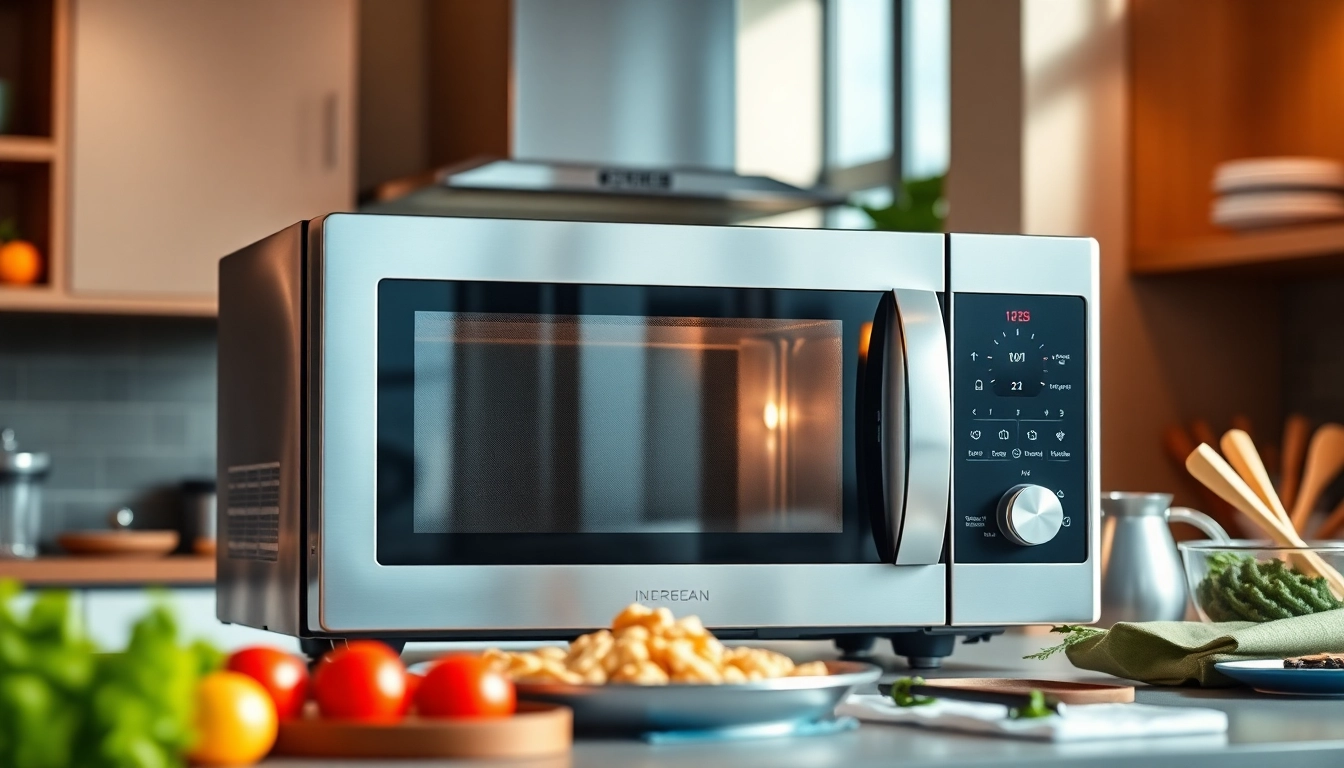
The Microwave Oven has revolutionized the way we prepare food, offering a blend of convenience and efficiency. Its ability to cook, reheat, and defrost quickly makes it an essential appliance in today's kitchens. But how did this handy machine come to be? Understanding its history, how it functions, and the different types available can enhance your culinary experience.
History and Evolution
The invention of the microwave oven traces back to the early 20th century, with its roots in the work of physicist Percy Spencer. While working with radar technology during World War II, Spencer noticed that a candy bar melted in his pocket due to the microwaves emitted by radar equipment. Inspired by this observation, he experimented with the technology, leading to the first kitchen microwave oven in 1947 – the Radarange. Initially large and expensive, it was primarily used in commercial settings. Over the decades, advancements in technology made microwave ovens more affordable and compact, leading to widespread use in households. By the 1970s and 1980s, they became a common fixture in kitchens worldwide, evolving in design, features, and cooking capabilities.
How a Microwave Oven Works
At its core, the Microwave Oven operates using microwave radiation, which is a form of electromagnetic radiation. When you start the microwave, it emits microwaves that are absorbed by food, causing water molecules within to vibrate rapidly. This vibration generates heat, cooking the food evenly from the inside out. Modern microwave ovens are equipped with turntables and advanced sensors that help in maintaining uniform heating and prevent overcooking. Most models also come with pre-programmed settings for a variety of foods, optimizing cooking times and temperatures. This science behind the cooking process not only saves time but also minimizes the energy consumption compared to traditional ovens, making microwave ovens an environmentally friendly choice.
Types of Microwave Ovens
There are several types of microwave ovens to choose from, each catering to different cooking needs and kitchen layouts:
- Countertop Microwaves: The most common type, these are portable and can be placed anywhere, making them ideal for small kitchens or apartments.
- Built-in Microwaves: Designed to be seamlessly integrated into kitchen cabinetry, these provide a sleek and modern look.
- Over-the-Range Microwaves: Combining a microwave with a range hood, they save space while providing a dual function for cooking and ventilation.
- Microwave Drawer Ovens: Installed below countertops, they offer easy access while maintaining kitchen aesthetic.
- Commercial Microwaves: Built for high-usage settings such as restaurants, these are more robust and have larger capacities.
Benefits of Using a Microwave Oven
Utilizing a Microwave Oven goes beyond just convenience. There are a myriad of benefits that enhance both the cooking experience and the nutritional quality of food.
Efficiency and Time-Saving
One of the most significant advantages of microwave ovens is their time efficiency. They can cook food faster than traditional ovens due to their direct heating method. For instance, while a conventional oven may take 30 minutes or more to preheat and cook, a microwave can often perform the job in under 10 minutes. This speed is invaluable for busy households, enabling quick meal preparations without sacrificing quality. Additionally, a microwave uses less energy, contributing to lower utility bills and a smaller carbon footprint.
Preservation of Nutrients
Microwaving food can retain more nutrients compared to other cooking methods, such as boiling or frying. Heat-sensitive vitamins, particularly vitamins B and C, are less likely to degrade in the short cooking times typical of microwave usage. Moreover, as food cooks faster and doesn’t lose as much water in the process, nutrients are preserved, providing healthier meal options. This is especially crucial for vegetables and fruits, which often lose significant nutritional value when subjected to prolonged cooking.
Versatility in Cooking
The Microwave Oven is not only for reheating leftovers. It offers diverse cooking options, from baking potatoes to steaming vegetables and even making popcorn. Many modern microwaves come with additional features like grilling, convection cooking, or sensor cooking, further expanding their culinary capabilities. This versatility allows you to explore a range of recipes, making your kitchen experiences more dynamic and enjoyable.
Common Challenges with Microwave Ovens
Even Cooking Issues
One of the most common complaints about microwave ovens is uneven cooking, where some parts of the food are overcooked while others remain cold. This discrepancy can often be attributed to factors such as the size and shape of the food item, as well as the microwave’s wattage. To remedy this, use the turntable feature if available, and rearrange food during cooking. Covering food with a lid or microwave-safe wrap can also promote even cooking by trapping steam, which distributes heat uniformly.
Overheating and Explosions
Overheating can lead to explosions, particularly with foods that have tough skins, like potatoes or eggs. As steam builds up inside these foods, they may burst, creating mess and posing a safety hazard. To prevent this, always pierce the skin of such foods before cooking, and consider using a microwave-safe cover that allows steam to escape. Regular maintenance of your microwave, such as cleaning the interior and ensuring ventilation openings are clear, will also help mitigate this risk.
Cleaning and Maintenance Tips
Keeping your microwave clean is essential for both hygiene and performance. Food spills and splatters can lead to odors and even affect cooking efficiency. To maintain a clean microwave oven, wipe down the interior with a damp cloth and mild detergent regularly. For tough stains, a mixture of water and lemon juice heated for a few minutes can help loosen grime. Additionally, monthly deep cleaning, including checking and cleaning the vents, ensures your microwave remains in optimal working condition.
Creative Recipes for Your Microwave Oven
If you're still thinking of the microwave as merely a reheating tool, it's time to expand your culinary horizons. Here are some innovative recipes that showcase what your Microwave Oven can do:
Quick Breakfast Ideas
Start your day with a nutritious breakfast in minutes. A microwave mug omelet is a delightful option: whisk together eggs, diced veggies, and cheese in a microwave-safe mug and cook for about 1-2 minutes. If you prefer something sweet, try a microwave oatmeal—combine oats, water, and a pinch of salt, cook for 1-3 minutes, and top with fruits and nuts.
Healthy Snacks
The microwave is perfect for whipping up healthy snacks quickly. Consider making microwave popcorn using kernel bags or popping corn in a covered bowl. Alternatively, you can make a warm apple cinnamon delight by slicing apple wedges, sprinkling cinnamon and sugar, and microwaving for about 2 minutes until tender. Both options provide satisfying snacks without the added preservatives of store-bought alternatives.
Dinner in a Dash
For dinner, a simple microwave casserole can be a family favorite. Combine cooked meat, veggies, and cheese in a microwave-safe bowl, topping it with breadcrumbs for crunch, and microwave until heated through. Another great dish is a “baked” potato: poke holes in the skin and microwave for 5-7 minutes, then add toppings of your choice for a filling meal. These recipes not only save time but also allow for custom flavor profiles tailored to your taste.
Maximizing the Use of Your Microwave Oven
Getting the most out of your Microwave Oven involves understanding its features and employing best practices for cooking. Here are tips to enhance your microwave cooking experience effectively.
Advanced Features and Settings
Modern microwave ovens come equipped with advanced features that can simplify cooking. Sensor cooking eliminates guesswork by monitoring the steam emitted from food and adjusting cooking time accordingly. Convection settings enable baking similar to traditional ovens, offering crisp textures. Explore these features to discover shortcuts and methods that few users leverage, elevating your daily cooking without the learning curve typically associated with complex appliances.
Cooking Tips and Tricks
To further improve your microwave cooking results, consider some handy tips: Use microwave-safe containers, as metal and some plastics can be harmful. Cut food into smaller, uniform pieces to achieve even heating, and remember to let food rest after microwaving. This resting period allows heat to distribute more evenly, further enhancing the cooking quality. Lastly, consulting recipe guidelines specific to microwave cooking can help yield the best results.
Safety Precautions
While microwave ovens are generally safe, some precautions should be adhered to. Always use microwave-safe containers and avoid materials like aluminum foil or metal dishes that can spark or melt. Check for manufacturer guidelines on maximum cooking times to prevent overheating. Be mindful of superheated liquids; they can boil over suddenly, causing burns. Lastly, allow steam to escape carefully from covered dishes to prevent burns when removing hot food.
Frequently Asked Questions
What makes a microwave oven different from other cooking appliances?
A microwave oven uses electromagnetic waves to cook food quickly by heating water molecules inside the food, making it faster than traditional ovens that rely on hot air.
Can I use aluminum foil in a microwave oven?
Aluminum foil should generally be avoided in microwaves as it can cause sparks and fires. Always opt for microwave-safe containers and wraps to ensure safety.
How can I prevent my food from drying out in the microwave?
To prevent food from drying out, cover it with a microwave-safe lid or wrap. Adding a splash of water can help retain moisture while heating.
Is microwaving food bad for my health?
Microwaving food is not harmful when using microwave-safe containers. In fact, it can retain nutrients better than some traditional cooking methods while cooking food quickly.
What are some tips for cleaning my microwave oven?
Regularly wipe down the interior with mild detergent and water. Use a mixture of water and lemon juice or vinegar for tough stains or odors, heating it for a few minutes to loosen grime.