Understanding the Landscape of Austin Construction
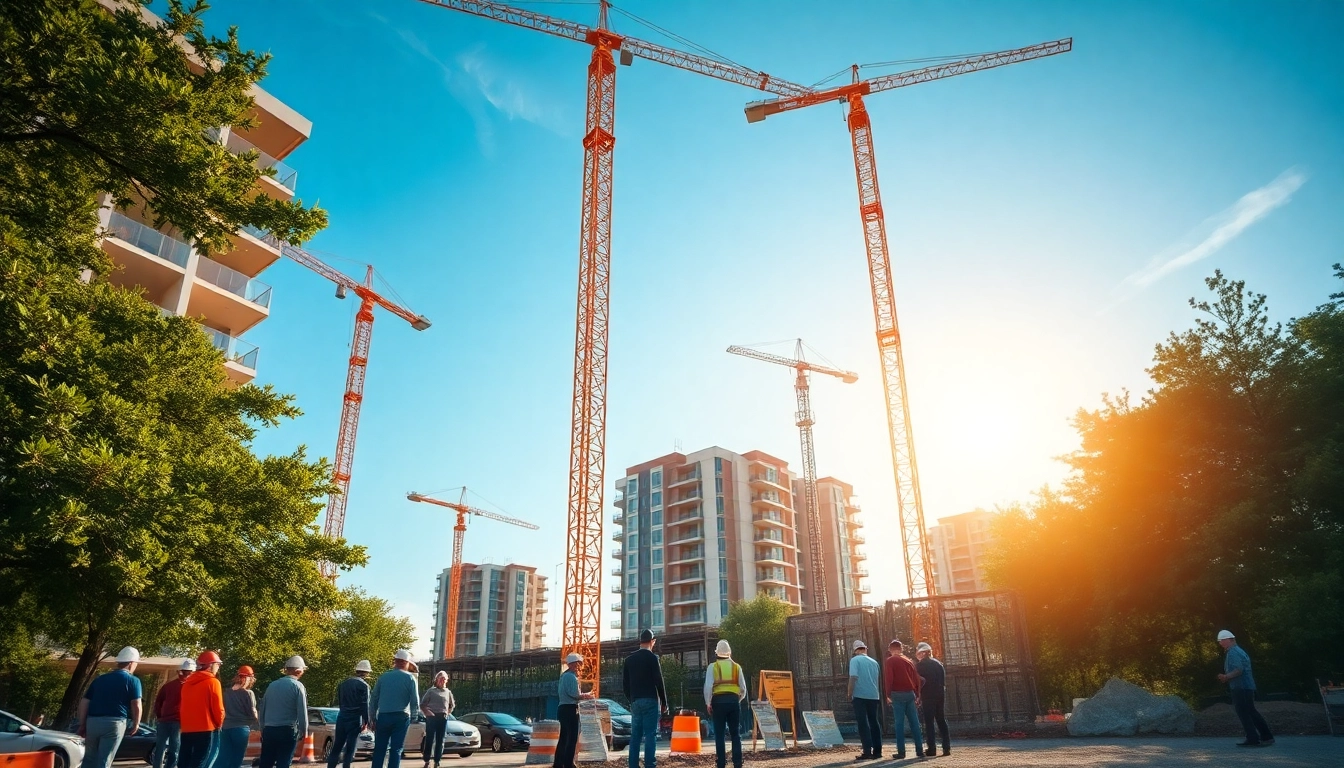
Austin has witnessed a remarkable transformation in its construction landscape, driven by rapid population growth and economic development. The demand for housing, commercial spaces, and infrastructure has surged, making Austin construction a key player in the region's prosperity. This article delves into various dynamics of the construction sector in Austin, exploring growth trends, key infrastructure projects, and the distinctions between residential and commercial construction.
The Growth Dynamics of Austin's Construction Sector
The construction sector in Austin is thriving for many reasons. The city's booming tech industry attracts professionals who require suitable housing, thus increasing residential construction demands. Additionally, Austin's ranking as one of the top cities for business fosters commercial developments. Local government initiatives, such as promoting housing affordability and urban development, further stimulate growth.
Key Infrastructure Developments to Anticipate
Austin’s construction landscape is punctuated by numerous infrastructure projects aimed at enhancing the city's transportation and connectivity. Notable examples include the expansion of expressways like Highway 183 and improvements in public transit systems, including light rail projects. Such developments are expected to ease traffic congestion and facilitate better accessibility, presenting substantial opportunities for construction professionals and investors.
Residential vs. Commercial Construction Trends
In Austin, residential construction often garners attention due to its immediate impact on housing availability. Townhouses, high-rise apartments, and single-family homes are being developed at a rapid pace to accommodate the growing population. Conversely, commercial construction focuses on spaces for businesses, such as office parks, retail shops, and mixed-use developments, catering to the influx of companies relocating to Austin. Understanding these trends is essential for stakeholders to navigate the market effectively.
Regulations and Standards in Austin Construction
The construction industry in Austin is governed by a robust framework of regulations and standards. These codes are designed to ensure safety, sustainability, and quality in all constructions. Knowing how to navigate the permitting processes and uphold building codes is crucial for construction professionals.
Permitting Processes Explained
Obtaining the necessary permits is a critical step in any construction project. In Austin, different permits are required depending on the project's scope, ranging from general building permits to specialized permits for electrical, plumbing, and mechanical work. Applicants must submit plans for review, which may involve adjustments based on zoning laws or environmental compliance, ensuring the project aligns with local regulations.
Building Codes that Shape the Industry
Austin’s building codes, which align with state and national standards, dictate essential construction practices. They include detailed specifications for structural integrity, fire safety, and energy efficiency. Compliance with these codes not only ensures safety but also influences the long-term sustainability of buildings, making them a critical consideration for all construction projects.
Environmental Considerations in Construction
With an increasing focus on sustainability, environmental considerations in construction have never been more vital. Austin’s regulations encourage builders to minimize ecological footprints through practices like water conservation, waste reduction, and the utilization of green materials. Projects that demonstrate environmental responsibility often benefit from expedited permitting processes and incentives, promoting a cycle of sustainable construction.
Best Practices for Sustainable Austin Construction
As the world shifts towards more sustainable practices, the Austin construction industry is aligning with these principles. Implementing best practices can significantly enhance the environmental and economic viability of construction projects.
Innovative Materials for Green Building
The advent of innovative materials, such as recycled steel, bamboo, and eco-friendly insulation, plays a crucial role in sustainable building practices. They not only reduce reliance on non-renewable resources but also lower overall construction costs by enhancing durability and energy efficiency. Builders in Austin are increasingly adopting these materials to meet both aesthetic and performance goals in their projects.
Energy Efficiency Standards to Follow
Energy efficiency is paramount in modern construction. Adhering to standards such as the International Energy Conservation Code (IECC) helps ensure that buildings operate efficiently. In Austin, embracing practices like using high-efficiency HVAC systems, energy-efficient windows, and proper insulation is becoming common, leading to significant cost savings in the long run.
Impact of Sustainable Design on Costs
While sustainable designs may require higher upfront investments, they typically result in cost savings that offset initial expenses. By focusing on energy efficiency and resource conservation, builders not only reduce operational costs but also enhance property values. Austin's proactive policies towards sustainability often make these designs economically advantageous in the competitive real estate market.
Advanced Technology in Austin Construction
The Austin construction sector has begun to embrace advanced technologies that revolutionize project management and execution. From Building Information Modeling (BIM) to the use of drones, these tools are streamlining construction processes and enhancing overall efficiency.
Embracing BIM in Construction Projects
Building Information Modeling (BIM) allows for the digital representation of a project, improving collaboration among stakeholders. In Austin, professional teams use BIM to allow for real-time visualization, enabling more precise planning and proactive decision-making. This technological integration reduces waste, enhances design accuracy, and ultimately leads to faster project completion.
Construction Drones: Revolutionizing Site Management
Construction drones have emerged as invaluable tools for site management and monitoring. They provide high-definition aerial imagery, which aids in surveying and inspections, allowing project managers to identify issues early on. The cost-efficiency and speed at which drones operate offer a considerable advantage in the often time-sensitive nature of construction projects.
Smart Construction Tools Improving Efficiency
Smart technology, including project management software and IoT devices, enhances efficiency throughout the construction lifecycle. These tools enable real-time data analytics, which inform decision-making and optimize resource allocation. Developers in Austin adopting these technologies are reaping the benefits of improved workflow and cost-effective project management.
Future-Proofing Your Austin Construction Project
As the construction landscape continues to evolve, future-proofing projects is essential for long-term success. This entails adapting to emerging market trends, implementing strategic investment strategies, and establishing metrics to measure success.
Adapting to Emerging Market Trends
Construction professionals must stay ahead of the curve by adapting to market trends, such as the increasing demand for affordable housing and mixed-use developments. Identifying and responding to these trends in real-time allows developers to align their efforts with community needs and maximize the impact of their projects.
Investment Strategies for Long-Term Success
Implementing strategic investment practices ensures that projects remain viable and profitable. Diversifying investments across residential and commercial sectors, as well as integrating sustainable practices, positions firms favorably in the increasingly competitive Austin construction market.
Measuring Project Success and ROI
Establishing clear performance metrics is vital to measure project success and return on investment (ROI). Metrics can range from project completion times to cost overruns, helping stakeholders evaluate the effectiveness of their strategies. Regular assessment of these metrics allows for ongoing optimization in future projects.
Frequently Asked Questions
1. What are the main types of construction in Austin?
Austin primarily focuses on residential and commercial construction, addressing the housing boom and business growth in the city.
2. How does sustainability impact construction costs?
Sustainable construction may have higher initial costs, but it often leads to long-term savings through energy efficiency and lower operational expenses.
3. What role do regulations play in Austin construction?
Regulations ensure safety and quality in construction projects, dictating building codes, permitting processes, and environmental considerations.
4. How is technology transforming construction in Austin?
Technology, such as BIM and drones, enhances efficiency and accuracy in construction projects, streamlining processes and improving collaboration.
5. Why is future-proofing important in construction?
Future-proofing strategies ensure that construction projects adapt to market trends and sustain their value over time, contributing to long-term success.