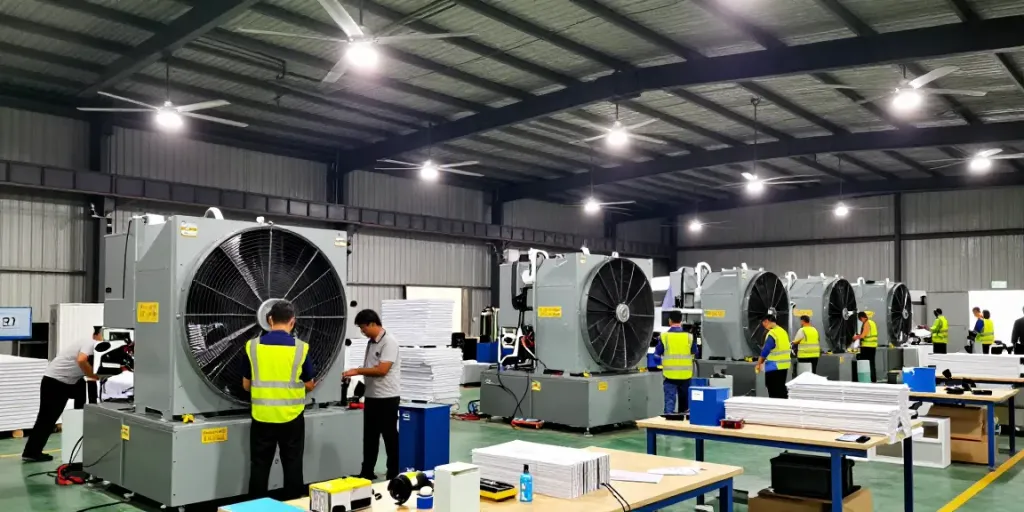
Understanding Construction Workforce Development
Definition and Importance
In today's rapidly evolving economy, construction workforce development is crucial. It refers to training, educating, and developing a skilled workforce for the construction industry. As infrastructure projects and construction demands continue to rise, a robust workforce ensures that the industry remains capable of meeting these challenges effectively.
The importance of workforce development cannot be overstated. It not only helps in filling skill gaps prevalent in the industry but also ensures the quality and safety of construction projects. Moreover, a well-trained workforce can improve productivity, reduce labor costs, and enhance the overall competitiveness of construction companies.
Key Components
The key components of construction workforce development encompass various elements that work together to create a competent workforce:
- Training Programs: Structured training modules that target essential skills needed in construction.
- Certification: Validating skills through recognized certifications to ensure industry standards.
- Collaboration: Partnerships with educational institutions, trade organizations, and businesses to align training with market needs.
- Apprenticeships: On-the-job training that combines classroom instruction with practical experience.
Challenges in the Field
Despite its importance, construction workforce development faces several challenges:
- Skill Gaps: There is often a mismatch between the available skills in the workforce and the skills needed by employers.
- Aging Workforce: Many experienced workers are retiring, leading to a loss of knowledge and skills.
- Funding: Limited financial resources can hinder the development and implementation of training programs.
- Technology Integration: Rapid advancements in construction technology require continuous reskilling of the workforce.
Strategic Approaches to Workforce Training
Hands-On Learning Techniques
Hands-on learning techniques are essential in the construction industry, as they allow participants to practice skills in real-world scenarios. Techniques such as simulations, project-based learning, and mock drills enable trainees to apply their knowledge and improve retention. By engaging in practical, experiential learning, workers can gain confidence and experience the conditions they will face on actual job sites.
Utilizing Technology in Construction Training
The incorporation of technology in training programs enhances learning outcomes. Virtual reality (VR) and augmented reality (AR) can create immersive training environments where workers practice in simulated situations. Online training platforms can offer courses and modules that are accessible anywhere, catering to a broader audience. Furthermore, mobile apps can assist in skills development and project management on-site, making learning more relevant and timely.
Collaboration with Local Institutions
Successful workforce development programs often stem from collaborations among various stakeholders. Partnering with local educational institutions, vocational schools, and community colleges can create a direct pipeline of skilled workers. These partnerships help to align training curricula with industry needs, leading to better-prepared graduates. Furthermore, integrating local businesses into the educational framework can enhance job placement opportunities for trainees.
Certification and Skills Recognition
Importance of Certification in Construction
Certification plays a pivotal role in assuring that construction workers possess the necessary competencies to perform their jobs. Recognized certifications not only validate individual skills but also enhance the credibility of construction organizations. Many clients require certified professionals to ensure compliance with safety and quality standards, making certification an important element for career advancement in this field.
How to Achieve Industry Certifications
Achieving industry certifications typically involves a combination of education, experience, and examinations. Workers can enroll in relevant training programs provided by accredited organizations to prepare for certification tests. It’s also advisable for individuals to seek mentorship from experienced professionals within the industry to gain insights and support throughout the certification journey.
Recognizing Skill Gaps and Opportunities
Identifying skill gaps within the workforce is crucial for targeted training initiatives. Regular assessments and feedback from employers can highlight the skills that are lacking among employees. Addressing these gaps promptly through tailored training ensures that the workforce remains relevant and competitive. Additionally, recognizing opportunities for growth can motivate workers to pursue ongoing education and professional development.
Industry Partnerships and Networking
Building Relationships with Employers
Strong relationships with employers can significantly enhance workforce development programs. Engaging with industry leaders enables training organizations to understand specific workforce needs and tailor their programs accordingly. Employers can provide valuable input regarding the skills and competencies they seek, thereby improving the relevance and effectiveness of training initiatives.
Creating Job Placement Programs
Job placement programs are vital for bridging the gap between training and employment. These programs connect trained individuals with potential employers in the construction sector. By facilitating internships and apprenticeships, workforce development organizations can help newcomers gain valuable hands-on experience, which enhances their employability in a competitive job market.
Benefits of Industry Collaboration
Collaboration among various industry stakeholders brings numerous benefits. Shared resources among construction companies, educational institutions, and government agencies foster a sustainable workforce development ecosystem. This collective approach allows for pooling of financial resources, knowledge sharing, and coordinated efforts to address workforce challenges, ultimately leading to a stronger construction industry.
Measuring Success in Workforce Development
Metrics and KPIs for Evaluation
Measuring the success of construction workforce development programs is essential to ensure continuous improvement. Key performance indicators (KPIs) such as completion rates of training programs, job placement rates, and employee retention rates provide quantitative data to assess program effectiveness. Additionally, evaluating trainee satisfaction through surveys can help organizations understand the impact of their training initiatives.
Feedback Mechanisms for Improvement
Effective feedback mechanisms are key to enhancing workforce development programs. Regular feedback from trainees and employers can highlight areas needing improvement. Organizations should encourage open dialogue and discussions to gather insights, which can be used to refine training content and delivery methods. Continuous adaptation based on actual field experiences ensures programs remain aligned with industry needs.
Long-Term Benefits for the Industry
Investing in comprehensive workforce development leads to long-term benefits for the construction industry as a whole. A robust pool of skilled workers directly contributes to increased productivity, improved quality of work, and reduced project completion times. Furthermore, a qualified workforce enhances workplace safety, resulting in fewer on-site accidents and liabilities, ultimately benefiting both workers and employers.
FAQs About Construction Workforce Development
What is construction workforce development?
Construction workforce development is the initiative focused on training and educating individuals in the skills needed for various roles within the construction industry.
Why is certification important?
Certification is crucial as it validates a worker's skills and knowledge, often being a requirement for employment in many construction roles.
How can technology improve training?
Technology enhances training through tools like VR for immersive learning and online platforms that provide flexible, accessible educational resources.
What are some common challenges?
Common challenges include skill gaps, an aging workforce, limited funding for training programs, and the need for continual reskilling due to technology advances.
How can partnerships enhance workforce development?
Partnerships foster collaboration between industry and educational institutions, aligning training programs with market needs and improving job placement opportunities.