
Understanding Soft Wash: What It Is and Why It Matters
Soft washing has emerged as a popular cleaning technique for exterior surfaces, particularly in regions like Kissimmee, FL, where the combination of humidity and heat can lead to the rapid growth of mold, algae, and grime. This method is not just about cleaning; it is also about protecting your surfaces and extending their lifespan. When exploring options, soft wash provides comprehensive insights into how you can enhance your property’s curb appeal and overall integrity.
Defining Soft Wash: The Process Explained
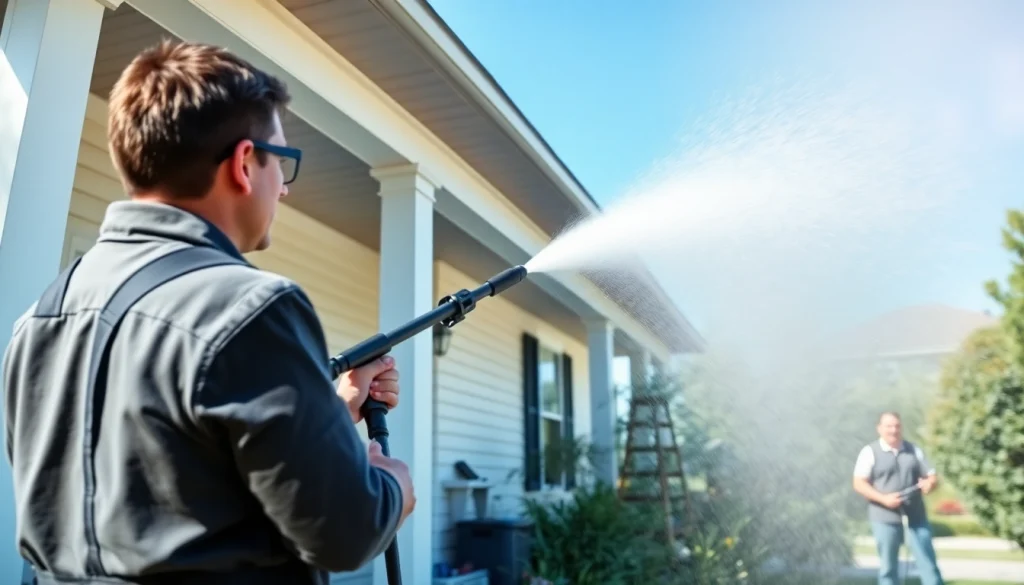
Soft washing is a specialized cleaning process that utilizes low-pressure water and biodegradable cleaning agents to safely remove dirt, mold, and other contaminants from surfaces. Unlike traditional pressure washing, which employs high-pressure water to blast away grime, soft washing is gentle yet effective. This technique minimizes the risk of damage to delicate surfaces, such as painted wood, shingles, and certain types of siding.
The soft wash process typically involves three main steps: applying a cleaning solution, allowing it to dwell and break down the contaminants, and finally rinsing the surface with low-pressure water. This method is particularly useful for cleaning roofs, siding, and decks without causing harm.
Benefits of Soft Washing Over Traditional Pressure Washing
There are several compelling advantages to choosing soft washing over traditional pressure washing:
- Gentler on Surfaces: Soft washing reduces the risk of damaging surfaces, particularly those made of softer materials that could be compromised by high-pressure water.
- Long-Lasting Results: The biodegradable cleaning agents used in soft washing not only clean but also inhibit the return of algae and mold, leading to cleaner surfaces for longer periods.
- Eco-Friendly: Soft washing solutions are often made from environmentally safe materials, ensuring that your property is cleaned without harmful effects on the surrounding landscape.
- Comprehensive Cleaning: This method can effectively clean a variety of surfaces, including roofs, siding, driveways, and more, making it an ideal choice for comprehensive property maintenance.
Common Misconceptions About Soft Washing Techniques
Despite its advantages, misconceptions about soft washing persist. One common belief is that soft washing is only suitable for specific types of surfaces or that it is ineffective compared to pressure washing. However, soft washing can be tailored to various materials, including vinyl, stucco, and concrete.
Another misconception is that soft washing does not effectively eliminate stains or contaminants. In reality, when performed correctly, soft washing can remove deeper stains caused by mold and algae, offering superior cleaning results.
Soft Wash Applications: Where and How to Use It
Residential Soft Washing: Ideal Surfaces and Materials
Soft washing is particularly well-suited for residential applications. Common surfaces that benefit from this method include:
- Roofs: Soft washing protects shingles and tiles while effectively eliminating moss, algae, and lichen.
- Siding: Homes with vinyl, wood, or stucco siding can be cleaned without the risk of water penetrating cracks or seams.
- Decks and Patios: Soft washing removes dirt and algae from outdoor living areas without damaging the wood or finish.
- Fences: Wooden and vinyl fences can be rejuvenated through soft washing, enhancing their appearance and longevity.
Commercial Properties: Effective Soft Wash Strategies
For commercial properties, soft washing plays a critical role in maintaining a professional appearance. Applications include:
- Storefronts: Clean storefronts attract more customers by enhancing visibility and appeal.
- Parking Lots: Soft washing can be used to remove stains caused by oil and other substances, ensuring a clean and safe environment.
- Building Exteriors: Offices and commercial buildings benefit from soft washing by removing built-up dirt and grime, which can degrade materials over time.
Seasonal Considerations for Soft Washing Services
The effectiveness and necessity of soft washing can vary seasonally. For example:
- In spring, soft washing is ideal for removing winter grime and preparing surfaces for the warmer months.
- During summer, it prevents algae growth on roofs and siding.
- In autumn, addressing fallen leaves and debris can help prepare properties for winter.
Choosing the Right Soft Wash Equipment
Essential Tools for an Effective Soft Wash Setup
Investing in the right equipment is crucial for effective soft washing. Essential tools include:
- Soft Wash System: These systems use low-pressure nozzles and pumps specifically designed for soft washing.
- Cleaning Solutions: Biodegradable detergents formulated for different surfaces enhance cleaning efficiency.
- Protective Gear: Safety equipment, such as gloves and goggles, is essential to protect operators during the cleaning process.
Eco-Friendly Cleaning Solutions: What to Look For
When selecting cleaning agents for soft washing, look for eco-friendly options that are biodegradable and non-toxic. Products with natural ingredients are less harmful to both surfaces and the environment, ensuring a cleaner and safer property without chemical residues.
Maintenance Tips for Your Soft Wash Equipment
Proper maintenance of your soft wash equipment extends its lifespan and efficiency. Consider these tips:
- Regular Cleaning: Clean hoses, nozzles, and tanks after each use to prevent buildup.
- Inspect Equipment: Regularly check for leaks, damage, or wear and replace parts as necessary.
- Store Properly: Keep equipment in a cool, dry place to protect it from the elements.
Step-by-Step Guide to Your First Soft Wash Project
Preparation: Assessing Surfaces and Planning Your Approach
Before starting a soft wash project, it’s essential to assess the surfaces you will be cleaning. Look for:
- Type of material: Different surfaces require different cleaning solutions and techniques.
- Condition: Identify areas with significant staining or mold growth that may need additional treatment.
- Accessibility: Ensure that you can safely reach all areas to be cleaned.
Executing the Soft Wash: Techniques for Best Results
To achieve the best results during the soft wash, follow these techniques:
- Apply Cleaning Solution: Use a low-pressure spray to evenly coat the surface.
- Allow Dwell Time: Let the solution sit for a specified period to break down contaminants.
- Rinse Thoroughly: Use low-pressure water to rinse away the cleaning solution and debris.
Aftercare and Follow-Up: Ensuring Long-Lasting Cleanliness
After completing your soft wash project, consider the following aftercare practices:
- Inspect Surfaces: Check for any missed spots or residual stains and reapply cleaning solutions as needed.
- Schedule Regular Maintenance: Establish a cleaning schedule to maintain the appearance and condition of your surfaces.
- Educate Residents or Employees: Encourage them to take preventative measures, such as clearing debris from roofs and gutters.
Future Trends in Soft Washing: What to Expect in 2025
Innovations in Soft Wash Technology and Equipment
The soft washing industry is continuously evolving, with innovations on the horizon. Expect advancements in:
- Automated Systems: More automated soft wash systems that enhance efficiency and reduce labor costs.
- Improved Cleaning Solutions: Development of even more eco-friendly cleaning agents that are highly effective while being safe for all surfaces.
- Smart Technology: Integration of smart technology to monitor equipment performance and cleaning efficiency.
Shifts in Consumer Preferences and Eco-Friendly Practices
As consumers become increasingly eco-conscious, the demand for environmentally friendly cleaning practices will continue to rise. Businesses that prioritize sustainable soft washing methods can expect to attract a broader customer base.
Forecasting the Growth of Soft Washing in the Cleaning Industry
The future of soft washing looks promising, with increasing recognition of its benefits in both residential and commercial markets. As homeowners and business owners seek long-term solutions for property maintenance, soft washing will likely become a preferred method for exterior cleaning across the United States.