
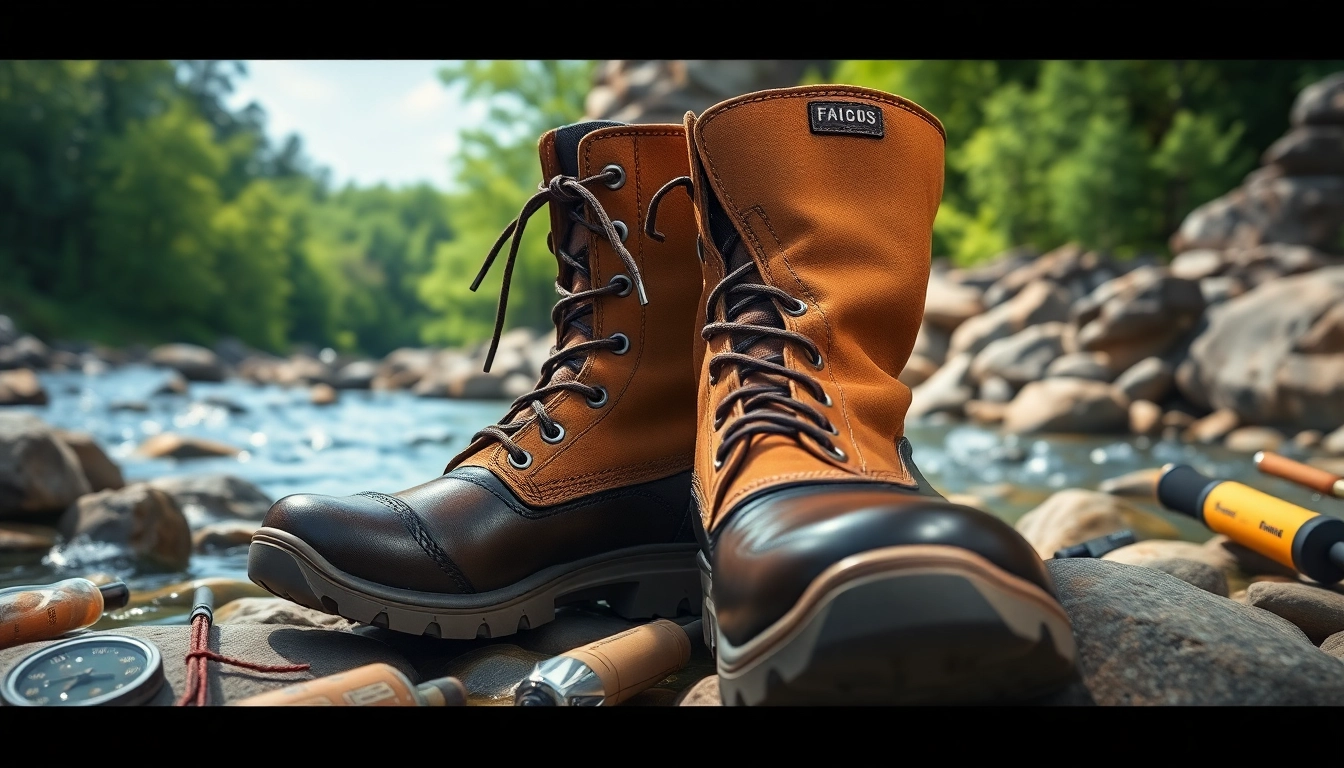
Why Fly Fishing Boots Matter
The right footwear can make or break your fly fishing experience. While many anglers focus on rods, reels, and flies, often overlooked are the crucial fly fishing boots. These boots are vital for comfort, safety, and functionality in challenging environments, making understanding their significance essential for anyone serious about fly fishing.
Importance of Quality Footwear
Quality footwear plays a critical role in your overall performance and safety while engaging in fly fishing activities. Quality fly fishing boots provide essential support and protection for the feet and ankles, reducing the risk of injuries caused by slipping on wet rocks or uneven terrain. Moreover, high-quality boots can enhance your fishing experience by providing better traction and comfort during long hours of wading through cold waters.
Features to Look For in Fly Fishing Boots
When selecting your fly fishing boots, several key features should be taken into consideration to ensure they meet your needs:
- Waterproofing: Look for materials like Gore-Tex or rubber that effectively keep water out.
- Comfort: Consider boots with adequate cushioning and support, such as reinforced ankle support.
- Traction: Soles that provide good grip on wet surfaces are essential to prevent slipping.
- Durability: High-quality materials should be used to withstand rough elements and extensive usage.
- Fit: Ensure a proper fit to prevent blisters and discomfort, which could affect your performance.
Common Mistakes When Choosing Boots
Many anglers make common blunders that can be easily avoided:
- Ignoring Environment: Not considering the fishing environment can lead to choosing the wrong sole type.
- Neglecting Fit: Purchasing boots that are too tight or too loose can lead to discomfort and injuries.
- Overlooking Maintenance: Neglecting proper care can significantly shorten the lifespan of your boots.
Types of Fly Fishing Boots
Choosing the right type of fly fishing boots is crucial, as the footwear must be suitable for the specific conditions you’ll encounter. Below are the primary types of fly fishing boots available:
Wading Boots: Pros and Cons
Wading boots are specifically designed for anglers who spend extended periods in the water. Here’s a breakdown of the pros and cons:
- Pros:
- Designed for water use.
- Provides excellent grip on slippery surfaces.
- Higher ankle support to protect against sprains.
- Cons:
- Can be heavier than regular boots.
- May take longer to dry out.
Rubber vs. Felt Soles
When it comes to the soles of fly fishing boots, there are two main materials to consider: rubber and felt. Each has its advantages and disadvantages:
- Rubber Soles:
- Provide good traction on dry or mud surfaces.
- Better at preventing the transfer of invasive species.
- Can be less slippery in some conditions compared to felt.
- Felt Soles:
- Superb traction on wet, slippery surfaces.
- Absorbs water, which can improve grip.
Boot Options for Different Environments
Selecting the right boots involves considering the fishing environment:
- Rocky Rivers: Rubber soles are often the best choice here for excellent grip and durability.
- Slippery Streams: Felt-soled boots excel due to their superior grip on slick rocks and mud.
- Saltwater Conditions: Look for waterproof materials resistant to saline environments.
How to Maintain Your Fly Fishing Boots
Proper care and maintenance of your fly fishing boots can dramatically extend their life and performance. Follow these tips:
Cleaning and Care Tips
After each fishing trip, clean your boots thoroughly. Make sure to:
- Remove all debris, especially sand and mud.
- Use mild soap and warm water to scrub the boots.
- Rinse well and dry them away from direct sunlight to avoid damage.
Storage Practices for Longevity
How and where you store your boots matters:
- Always air-dry boots completely before storing them.
- Keep them in a cool, dry place to prevent mildew and deterioration.
- Store them in a way that maintains their shape, ideally on a boot rack.
Identifying Wear and Tear
Regular checks can help spot potential issues before they worsen:
- Inspect for any cracks or holes in the soles and uppers.
- Check for excessive wear on the soles, especially if grip is compromised.
- Examine stitching and seams for signs of fraying or separation.
Pairing Fly Fishing Boots with Gear
Once you have chosen the right fly fishing boots, it’s important to ensure they are complemented by the appropriate gear. Here’s how to pair them effectively:
Choosing the Right Waders
Your boots must work in harmony with your waders. Here are considerations you should keep in mind:
- Ensure compatibility between boot and wader types (stockingfoot vs. bootfoot).
- Choose waders that provide additional insulation if fishing in colder waters.
- Consider the height of waders relative to the boots.
Combining with Clothing
The clothing you wear impacts your overall comfort while fishing. Look for:
- Moisture-wicking layers to keep you dry.
- Insulative materials if you are fishing in cold weather.
- Lightweight fabrics for warm, summer outings to remain cool.
Essential Accessories for Ultimate Comfort
Enhance your fly fishing experience with appropriate accessories:
- Neoprene socks for added warmth and comfort.
- Anti-chafe sleeves to minimize discomfort during long sessions.
- Boot dryers for moisture management between trips.
Frequently Asked Questions
What are the key features of fly fishing boots?
Key features include waterproof materials, excellent traction soles, supportive ankle structures, and comfort fit to ensure protection and performance in water.
Can I use regular boots for fly fishing?
While you might use regular boots, they typically lack the support, grip, and waterproofing needed for safe fly fishing and can lead to discomfort.
How do I choose the right size of fly fishing boots?
Choose a size that allows for snugness without being tight. Consider wearing thick socks and ensure there’s enough room for wading without cramping your feet.
What materials are best for fly fishing boots?
Look for durable, waterproof materials like synthetic fabrics, neoprene, or rubber for protection against elements while maintaining breathability.
How can I extend the life of my fly fishing boots?
Regular cleaning after use, proper drying, and correct storage can significantly enhance your boots’ lifespan and prevent deterioration.
About the Author