Understanding Structural Steel Installation
In today’s construction landscape, structural steel installation plays a crucial role in creating resilient and durable structures. Structural steel is a fundamental material used in various construction projects, ranging from skyscrapers to bridges. As the demand for robust materials increases alongside the growth of architectural designs, understanding the intricacies of structural steel installation is increasingly important for construction professionals and enthusiasts alike.
What is Structural Steel Installation?
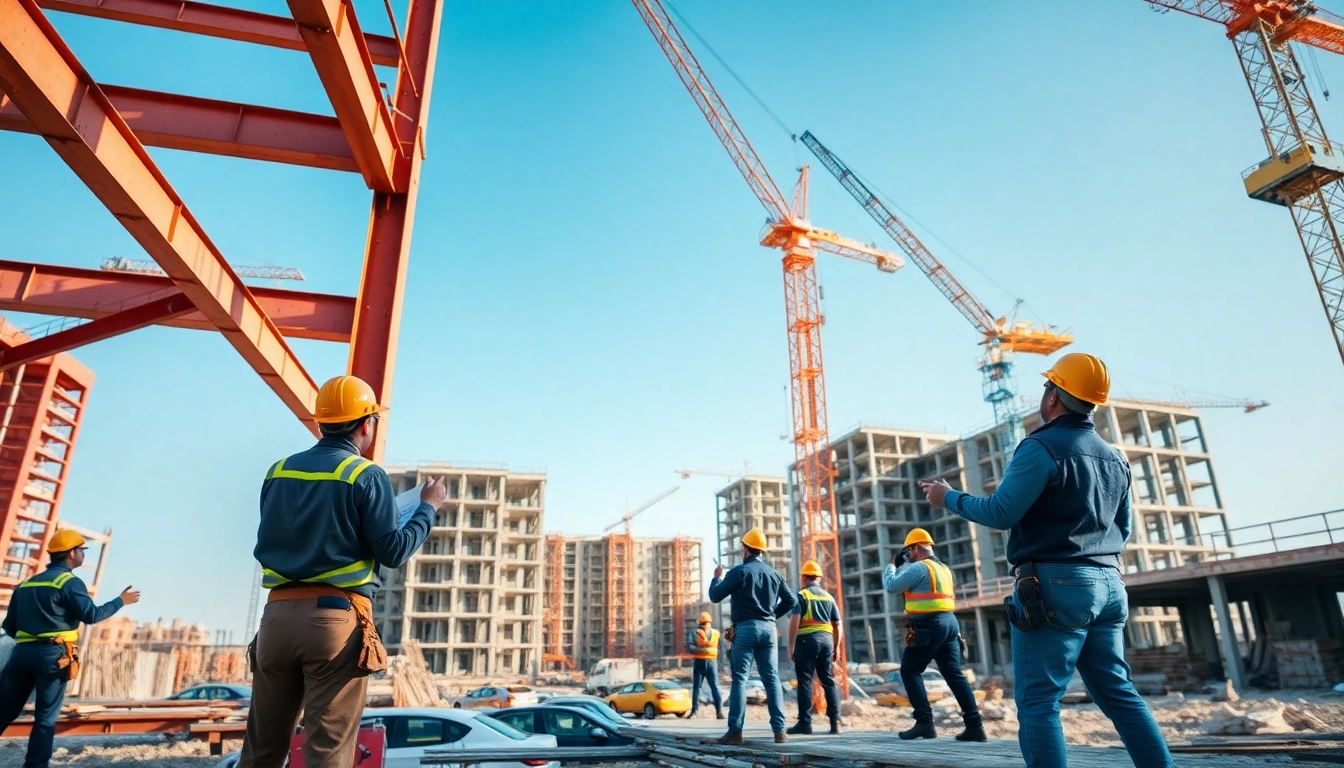
Structural steel installation refers to the process of erecting steel components in a construction project to form a framework that supports the building. This might include beams, columns, and girders. The installation process is essential for ensuring that the structure can withstand loads and provide safety and stability. Proper installation involves precise measurements, lifting, and placement of steel materials while adhering to engineering standards and safety regulations.
Key Components of Structural Steel
Understanding the key components of structural steel is essential for effective installation. These components include:
- Steel Beams: Horizontal members that support loads and span distances between vertical supports.
- Columns: Vertical members that carry the weight of the beams and the building structure.
- Girders: Large beams that provide support for smaller beams.
- Braces: Diagonal members used to provide additional stability and prevent lateral movements.
- Connectors: Bolts, welds, and rivets that hold the steel components together.
Benefits of Using Structural Steel in Construction
Opting for structural steel in construction projects yields numerous advantages:
- Strength and Durability: Structural steel’s high tensile strength allows it to withstand heavy loads and adverse conditions.
- Versatility: Steel’s adaptability means it can be used in a variety of architectural designs.
- Speed of Construction: Pre-fabricated steel components can greatly reduce construction time compared to traditional materials.
- Environmental Sustainability: Steel can be recycled, making it a sustainable choice for eco-conscious projects.
- Cost-effectiveness: While the initial investment can be higher, structural steel often results in lower maintenance and operational costs.
Essential Techniques for Structural Steel Installation
Best Practices for Site Preparation
Site preparation is the cornerstone of a successful structural steel installation project. The following best practices should be implemented:
- Surveying: Conduct a detailed survey to confirm site measurements and layout before installation begins.
- Foundation Assessment: Ensure that the foundation can support the steel structure by performing geotechnical analyses.
- Site Clearing: Remove any debris, vegetation, or obstructions that could interfere with the installation process.
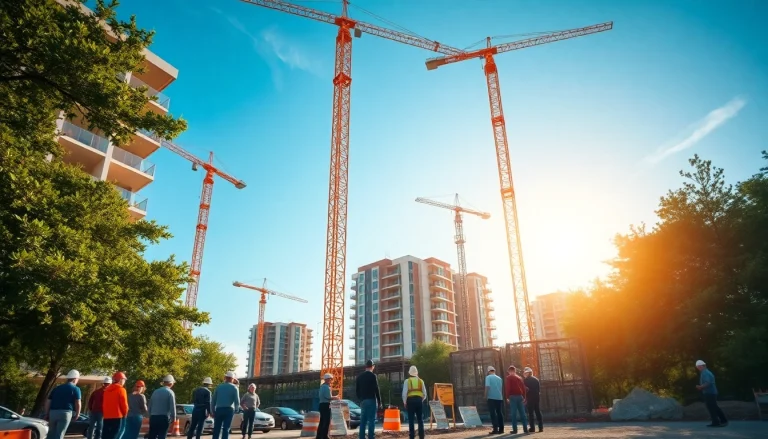
- Safety Setup: Install safety barriers, signs, and access paths to maintain a secure working environment.
Effective Techniques for Lifting and Placing Steel Beams
Lifting and placing steel beams requires precision and safety. Employ these techniques for maximum efficiency:
- Rigging Equipment: Use proper rigging gear, such as slings and hooks, to securely lift and maneuver the beams.
- Crane Operations: Engage trained crane operators to ensure accurate placement of large steel components.
- Calculated Placement: Strategically plan the placement sequence to avoid unnecessary movements and delays.
- Team Coordination: Establish clear communication among team members to ensure synchronization during lifting operations.
Welding and Bolting: Ensuring Structural Integrity
Once the steel components are lifted into position, securing them is crucial for maintaining structural integrity. Here are some guidelines for effective welding and bolting:
- Welding Techniques: Employ qualified welders and follow approved welding procedures specific to the steel grade and project specifications.
- Types of Welds: Understand various welding types (e.g., MIG, TIG, Arc) and their applications based on the structural requirements.
- Quality Control: Implement non-destructive testing to inspect weld integrity, ensuring compliance with industry standards.
- Bolting Standards: Use appropriate bolts and nuts as per design specifications, and apply the correct torque to ensure connection strength.
Safety Measures in Structural Steel Installation
Common Hazards on the Job Site
Safety must be prioritized in the structural steel installation process. Common hazards to be aware of include:
- Falling Objects: Tools or materials may fall from heights, posing a risk to workers below.
- Working at Heights: Steel installation often occurs at significant elevations, increasing the risk of falls.
- Electrical Hazards: Nearby live wires can pose electrocution risks during lifting and welding tasks.
- Equipment Malfunctions: Crane or rigging failures can lead to accidents and injuries.
Personal Protective Equipment (PPE) Essentials
To mitigate the risks mentioned above, adhering to PPE standards is crucial:
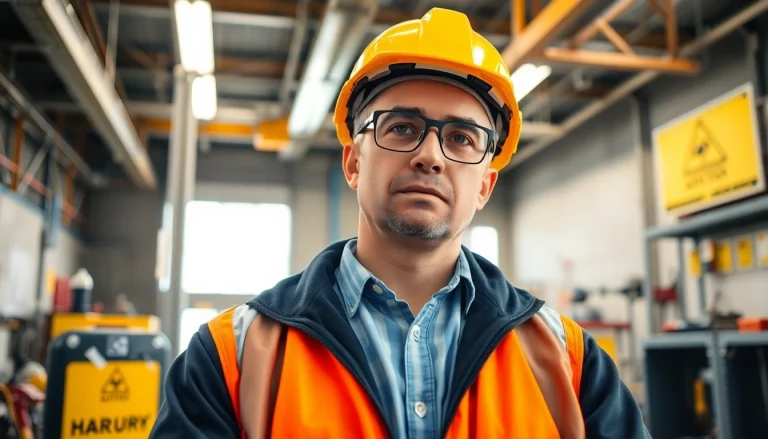
- Hard Hats: Protect against head injuries from falling tools or materials.
- Safety Harnesses: Prevent falls when working at heights.
- Steel-Toed Boots: Shield feet from heavy objects and provide grip on uneven surfaces.
- High-Visibility Vests: Enhance visibility, especially in busy construction sites.
- Protective Eyewear: Guard against debris and welding sparks.
Creating a Safety Plan for Steel Installation Projects
A comprehensive safety plan is vital for mitigating risks on-site. Essential components of any safety plan include:
- Risk Assessment: Identify potential hazards and establish measures to control them.
- Emergency Procedures: Outline evacuation plans and emergency contact information.
- Training Programs: Conduct regular safety training for all personnel involved in steel installation.
- Inspections: Perform routine inspections and audits to ensure compliance with safety regulations.
Challenges in Structural Steel Installation
Weather-Related Delays and Solutions
Weather conditions can significantly impact structural steel installation timelines. Common issues include:
- Rain and Snow: Wet conditions can affect the handling of materials and create slippery surfaces.
- High Winds: Wind can make it dangerous to operate cranes or lift heavy steel components.
To mitigate weather-related challenges, implement the following solutions:
- Weather Monitoring: Utilize weather forecasts to adjust work schedules proactively.
- Protective Measures: Use tarps and covers for materials during rain or snow, and delay lifting operations during high winds.
Handling Material Shortages Effectively
Material shortages can disrupt the steel installation process. Strategies for effective management include:
- Supplier Relationships: Develop strong relationships with multiple suppliers to ensure material availability.
- Pre-Ordering: Anticipate project needs ahead of time and order materials accordingly.
- Alternative Materials: Explore the potential of substituting materials without compromising structural integrity.
Addressing Misalignment and Structural Issues
Misalignment during installation can lead to frustrating delays and compromises on structural integrity. Techniques to address these issues include:
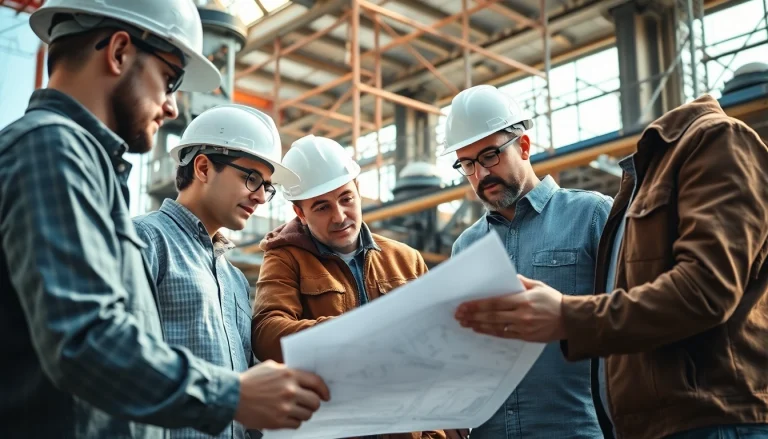
- Pre-Installation Checks: Implement thorough reviews of measurements and alignments before installation begins.
- Adjustable Connections: Use connections that allow for minor adjustments during placements, ensuring proper alignment.
- Post-Installation Inspections: Conduct inspections and tests to identify any structural issues before project completion.
Future Trends in Structural Steel Installation
The Role of Technology in Steel Installation
As technology evolves, its integration into structural steel installation brings new efficiencies:
- Building Information Modeling (BIM): Enhance project planning through 3D modeling, facilitating better visualization and coordination.
- Drones: Utilize drones for site surveying and inspections, providing real-time data and reducing labor costs.
- Robotics: Explore automated solutions for repetitive tasks, increasing precision and safety on-site.
Sustainable Practices in Structural Engineering
Sustainability is becoming a key focus in construction. Sustainable practices include:
- Recycled Steel: Use steel that has been recycled from other structures, reducing resource depletion.
- Energy-Efficient Designs: Implement designs that optimize energy use and reduce waste during construction.
- Life Cycle Assessments: Evaluate the environmental impact of materials over their lifespan to support eco-friendly choices.
Education and Training for Future Steel Installers
As the industry evolves, so does the need for skilled labor. Fostering the next generation of structural steel installers involves:
- Vocational Training Programs: Promote specialized training programs focused on steel installation and safety.
- On-the-Job Experience: Encourage apprenticeships that provide hands-on experience in real-world settings.
- Continuous Learning: Facilitate ongoing education to keep installers updated on new technologies and methods.
About the Author