
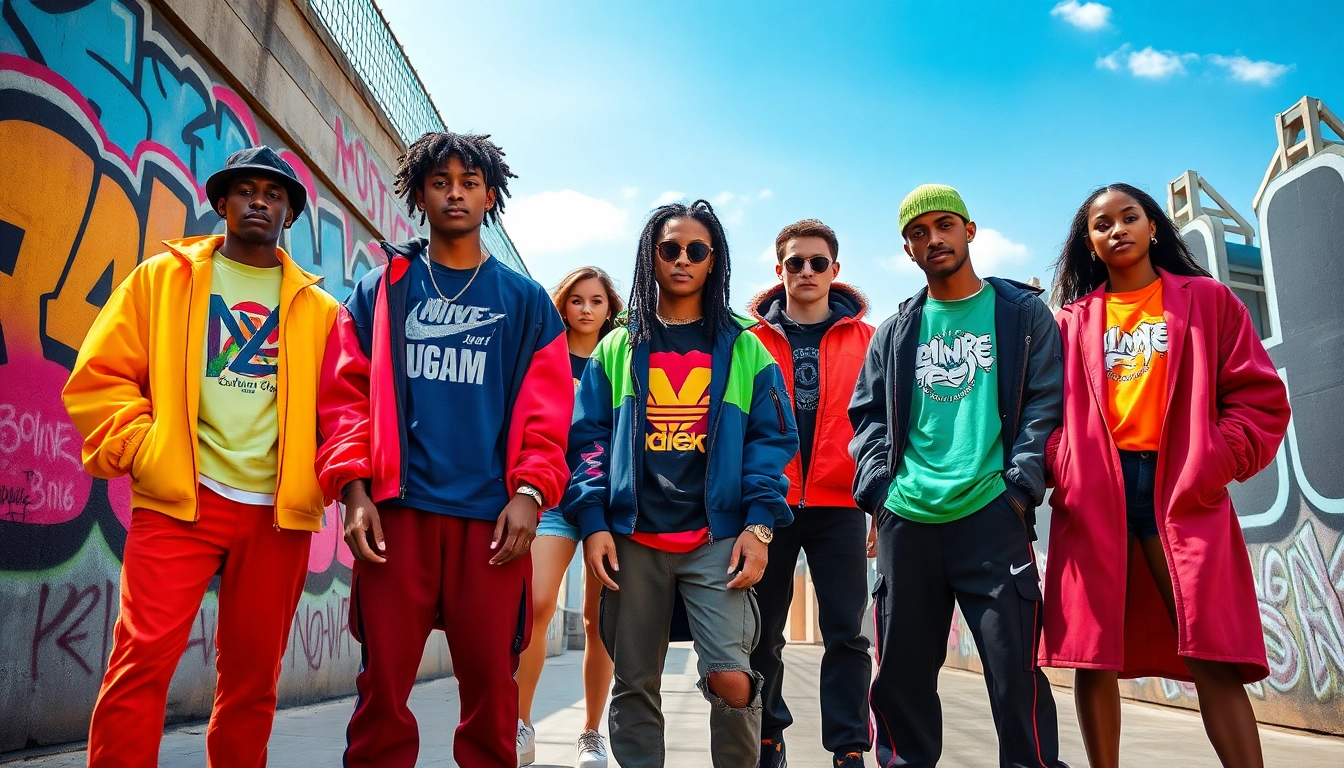
Understanding Streetwear Culture
Streetwear is more than just a fashion trend; it represents a cultural movement that has its roots deeply embedded in urban environments. This unique style emerged in the late 20th century, influenced by skate and surf culture, hip hop music, and various forms of art. The blend of these elements reflects a lifestyle rather than merely clothing, making it a rich subject of exploration for enthusiasts and newcomers alike. As you delve into this fascinating world, you'll find that the landscape of streetwear clothing brands is continually evolving, driven by consumer preferences and cultural shifts.
The Origins of Streetwear: A Historical Perspective
The history of streetwear can be traced back to the late 1970s and early 1980s when brands like Stüssy began to rise in popularity. The brand, founded by Shawn Stussy, merged the art of surf culture with urban clothing, creating a blueprint for what would become a global phenomenon. Streetwear became synonymous with self-expression and rebellion against the traditional fashion hierarchy, as it allowed individuals to showcase their unique styles without conformity.
In the 1990s, the influence of hip-hop further propelled the streetwear movement, with artists like A Tribe Called Quest and Nas making bold fashion statements. The rise of sneaker culture during this period also played a crucial role in shaping streetwear as we know it today, underscoring the connection between music, art, and fashion.
Key Elements of Streetwear Clothing Brands
Several defining characteristics set streetwear apart from other fashion genres. One of the most notable is the emphasis on comfort and functionality, often seen in oversized silhouettes and relaxed fits. Brands frequently incorporate bold graphics, logos, and eclectic patterns, aiming to make a statement while ensuring practicality. Additionally, limited-edition drops and collaborations with artists and designers create a sense of exclusivity, appealing to collectors and fashion enthusiasts alike.
Streetwear’s versatility is also a significant factor in its popularity. It seamlessly blends with high fashion, as seen in collaborations between streetwear labels and luxury brands. This fusion not only elevates streetwear to new heights but also makes it accessible to a broader audience.
The Role of Influencers in Streetwear Trends
The impact of social media has revolutionized how streetwear is consumed and marketed. Influencers and celebrities play a critical role in shaping trends, as their endorsements can catapult a brand to fame almost overnight. Platforms like Instagram and TikTok provide a space for these figures to showcase their outfits, creating a ripple effect that influences millions of followers and casual observers alike.
Moreover, the concept of "street style" has grown exponentially, with fashion weeks and industry events showcasing how everyday individuals interpret streetwear. This dynamic relationship between influencers, brands, and consumers continues to drive the conversation about what streetwear means today.
Top Streetwear Clothing Brands in 2026
The streetwear market has blossomed over the years, giving rise to numerous influential brands that define the culture. As of 2026, some of the most sought-after labels continue to push boundaries and inspire fashion enthusiasts around the globe.
The Most Sought-After Streetwear Labels Today
Brands like Supreme, Off-White, and Palace have become household names, synonymous with luxury streetwear. Each label brings a unique flair, whether through humor, high-quality materials, or innovative designs. Supreme's iconic box logo and limited releases have made it a status symbol, while Off-White's distinctive use of quotation marks and industrial motifs resonates with a younger demographic seeking authenticity and meaning in their clothing choices.
Additionally, newer brands like Aime Leon Dore and Fear of God offer fresh perspectives on streetwear by blending casual and sophisticated elements, appealing to a diverse audience. The continued rise of these brands showcases an industry that values creativity and self-expression above all else.
Emerging Streetwear Brands to Keep an Eye On
While the established giants dominate the scene, several emerging brands are quickly gaining traction. Brands like Rhude and FEAR OF GOD Essentials are noteworthy for their innovative designs and commitment to quality. Rhude incorporates nostalgic elements with contemporary style, appealing to both millennials and Gen Z consumers. On the other hand, FEAR OF GOD Essentials offers a more accessible price point while maintaining the luxurious aesthetics associated with the original brand.
Streetwear is also seeing an influx of eco-conscious creators who prioritize sustainability in their production processes. Brands such as Pangaia and Tactile aim to reduce environmental impact without sacrificing style, presenting a compelling alternative for ethically minded consumers.
Innovative Collaborations Shaping the Market
Collaborations remain a driving force within the streetwear sphere, often leading to groundbreaking collections that blend various influences. Notable partnerships, such as Nike x Off-White and Adidas x Yeezy, have generated immense hype and enthusiasm among fans. These collaborations not only introduce fresh designs but also effectively merge different cultures and audiences.
Moreover, the impact of artist collaborations, like those between streetwear brands and visual artists or musicians, continues to shape the aesthetic of the industry. These partnerships allow for creativity to flourish and elevate the brand's status to new heights.
Shopping for Streetwear: Best Practices
As streetwear exits its niche status and moves into mainstream fashion, understanding how to shop for quality pieces has never been more crucial. With so many options available, it can be overwhelming to navigate the landscape of streetwear clothing brands.
How to Identify Quality Streetwear Brands
When searching for quality streetwear, focus on craftsmanship, materials, and brand reputation. Established brands often have a history of producing high-quality products, while emerging labels can be evaluated by customer reviews and online presence. Look for brands that prioritize ethical production methods and transparency, as these factors contribute to long-term satisfaction with your purchases.
Moreover, pay attention to the details, such as stitching and fabric types. High-quality streetwear often features durable materials that withstand wear and tear, ensuring your pieces last beyond seasonal trends.
Finding Affordable Streetwear Clothing without Sacrificing Style
Budget-conscious shoppers can still find stylish streetwear by exploring lesser-known brands, thrift stores, or online marketplaces such as Depop and Grailed. These platforms often house unique finds that reflect personal style without the hefty price tag associated with more prominent labels.
Additionally, participating in end-of-season sales and promotions can help you score discounted streetwear essentials. Keeping an eye on social media channels or signing up for newsletters can provide insights into upcoming sales and exclusive deals.
Online vs. In-Store: Where to Shop for the Latest Trends
Both online and in-store shopping have their unique advantages. Online retail offers a broader selection, often with the convenience of home delivery. Websites that specialize in streetwear tend to have a more extensive range than traditional clothing stores, allowing you to access coveted pieces that might not be available locally.
However, in-store shopping provides the advantage of trying on items and assessing their quality firsthand. Visiting flagship stores or boutiques that specialize in streetwear can also offer a more curated shopping experience, allowing you to interact with knowledgeable staff who can provide insights on current trends.
Styling Streetwear for Every Occasion
Understanding how to style streetwear is key to effectively integrating it into your wardrobe. Streetwear’s versatile nature means it can be adapted for various occasions, from casual outings to more formal events.
Casual Looks: Everyday Streetwear Staples
For everyday wear, focus on staples such as oversized hoodies, graphic tees, and joggers. Combining these items with classic sneakers creates a laid-back vibe that is perfect for casual outings. Add layering pieces like denim jackets or flannel shirts to elevate your look while providing added comfort.
Accessorizing with items such as beanies, crossbody bags, or statement sneakers can complete the casual outfit, allowing for personal expression while remaining stylish. Mixing and matching different textures and colors also enables you to create unique looks that reflect your personality.
Elevating Streetwear for Formal Events
To adapt streetwear for more formal settings, focus on incorporating tailored pieces into your outfit. For instance, pairing a classic blazer with a graphic tee and tailored pants can create an effortless yet stylish look. Opt for high-quality materials to maintain a polished appearance while still embracing your streetwear roots.
Footwear plays a significant role in bridging the gap between casual and formal. Sneakers can work well, but opt for sleek, minimalist designs that enhance the overall look without detracting from the sophistication of the outfit.
Accessorizing: The Key to Unique Streetwear Outfits
Accessories are crucial for personalizing streetwear outfits. Belts, hats, and jewelry can add layers of interest, helping to define your style. Experimenting with different accessories allows you to elevate even the simplest outfits while giving them a more tailored appearance.
Moreover, the placement of accessories is just as important as the pieces themselves. Wearing a statement piece as a focal point can elevate the outfit and create visual interest, allowing your individual style to shine through.
The Future of Streetwear: Trends and Predictions
As streetwear continues to evolve, understanding its future trajectory is essential for enthusiasts and brands alike. Several trends are already shaping the landscape of the industry and are expected to gain traction in the coming years.
Sustainability Trends in Streetwear Clothing Brands
As consumers become increasingly environmentally conscious, the demand for sustainable practices in fashion grows. Streetwear brands are responding by adopting eco-friendly materials and ethical production methods. Brands like Pangaia prioritize sustainability, creating collections that are both stylish and responsible.
This shift in focus not only appeals to buyers who value environmental impact but also encourages other brands to follow suit, fostering a culture of responsibility within the industry.
Technological Innovations Impacting Streetwear
Technology is continuously reshaping fashion, with innovations in fabric production and manufacturing processes allowing brands to create unique textiles and designs. From 3D printing to smart fabrics, streetwear is on the verge of a technological revolution that can redefine how we interact with clothing.
Additionally, augmented reality (AR) and virtual reality (VR) are set to change how consumers shop, allowing for a more immersive experience. As these technologies advance, they will likely become essential tools for brands looking to engage customers in novel ways.
Predictions for the Streetwear Scene Beyond 2026
Looking beyond 2026, the streetwear scene is poised for further evolution, with emerging brands and fresh aesthetics continuing to challenge the status quo. The blending of streetwear with high fashion will likely persist, fostering collaborations that break traditional norms and elevate creativity.
Moreover, the rise of gender-neutral clothing and inclusivity in streetwear is expected to gain momentum, with brands reflecting the diverse identities of their consumers. This shift will not only promote representation but also encourage a more significant discourse on fashion and identity.